Our story
Two mates, an argument about glasses, and a turbine engine
How a designer and a details man ended up creating the vessel every serious drinker didn't know they were missing.
Let's start with the argument, because there's always an argument.
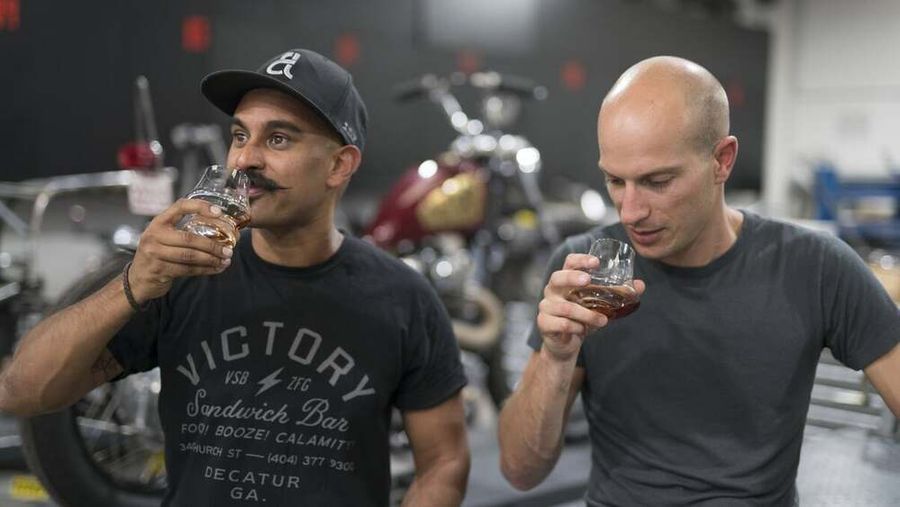
Every serious whisky drinker has, at some point, sat across from another serious whisky drinker and disagreed - loudly, happily, over a dram they both loved - about which glass it should've been served in. The tumbler crowd. The stems. The others. The people who insist a rocks glass with a single fat ice cube is the only correct vessel and will die on that hill. Everyone's convinced they've got it figured out. Nobody, until fairly recently, had actually gone and engineered the thing from first principles.
That's the gap Denver Cramer and Liely Faulkner fell into back in 2014. Not as glassware people - as mates.
Neither of them set out to disrupt drinkware - that word didn't mean much back then, and disruption wasn't really the point anyway. The point, as Denver's put it more than once, was considerably blunter:
"Everything is lead by performance and function at D&L. We only make Formula 1 cars for your mouth. Nothing less than the best in class or we don't release it."
— Denver Cramer, Co-Founder
That's not a marketing line dressed up after the fact. That's genuinely how they build things both personally and professionally.
Start by hand
“From little things, big things grow”. Ask Denver, and in the early days you might catch him cross-legged on the living room floor at home, beer in hand with the other hand stamping the D&L mark onto kraft paper gift bags one at a time - fanned out across the floorboards in a big arc because that's just how you keep a hundred bags organised and drying when there's no warehouse involved yet.
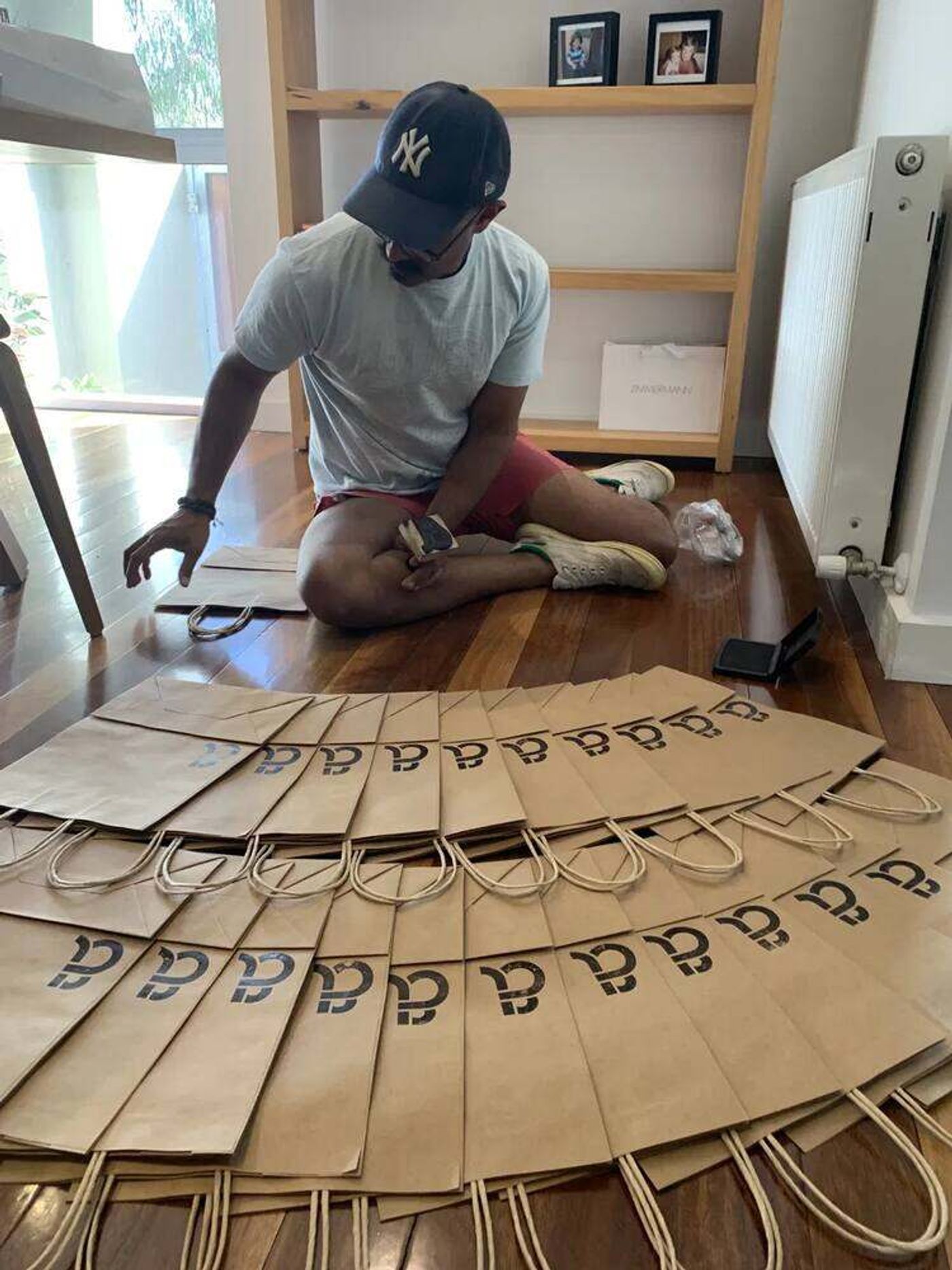
It's a small, unglamorous thing to be doing but it's how they gave the brand life, and that's rather the point. The same "we don't stuff around" instinct that spent eight years on a wine glass shows up just as stubbornly in how the gift bag got finished properly back then.
We just do the work
— Denver Cramer, Co-Founder
It didn't stop at the bags, either. Before a single glass shipped anywhere, Liely and Denver washed each one by hand themselves - no warehouse, no outsourced quality check, just two mates making sure the thing leaving the building actually met the bar they'd set for it.
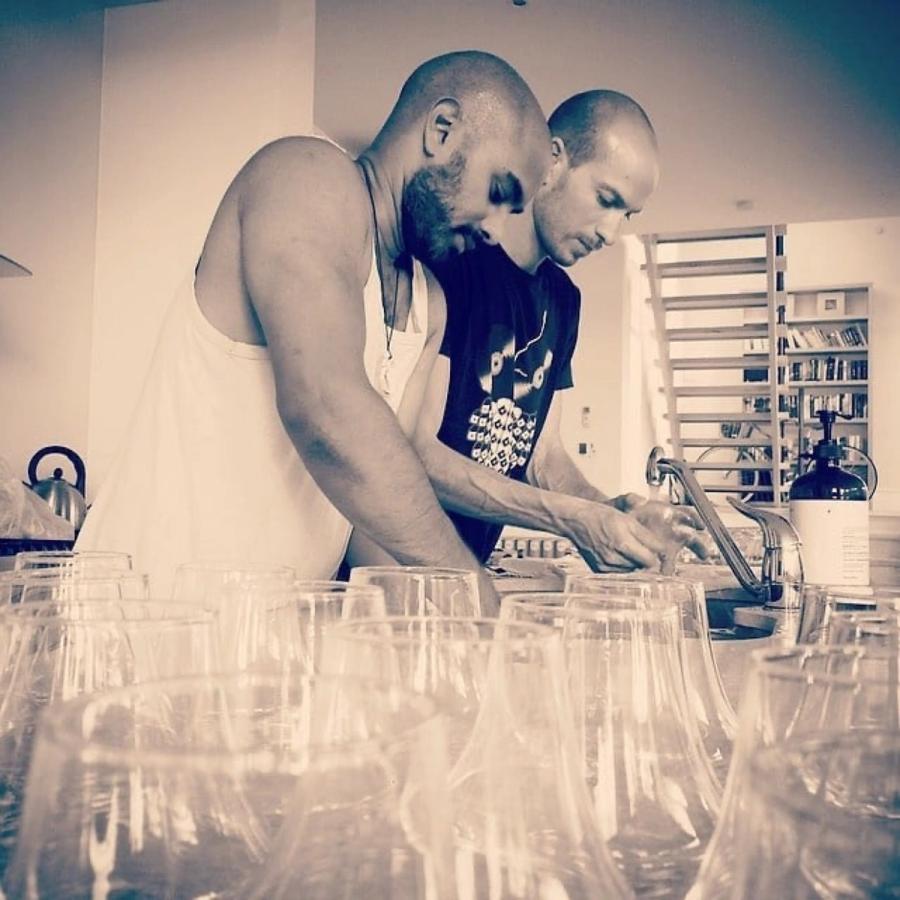
This by hand approach was an extension of the quality and durability they were chasing and naturally the glasses had to be hand made. It was the only way at the time to have the technical features and performance they were after whilst still retaining a level on humanity. Like a single cask whisky or a special wine, they’re unique and a reflection of the natural world.
The problem nobody had solved properly
Here's the bit that tends to surprise people: a whisky glass is not a simple object. It looks simple - bowl, stem, base, done - the same way a wing looks simple until you realise how much of aerodynamics is hiding inside that shape. Denver's industrial design training, sharpened by the mechanical engineering plus Liely’s design training and production experience meant they couldn't look at a glass without seeing airflow, surface area, and user experience. Every curve needed to do something.
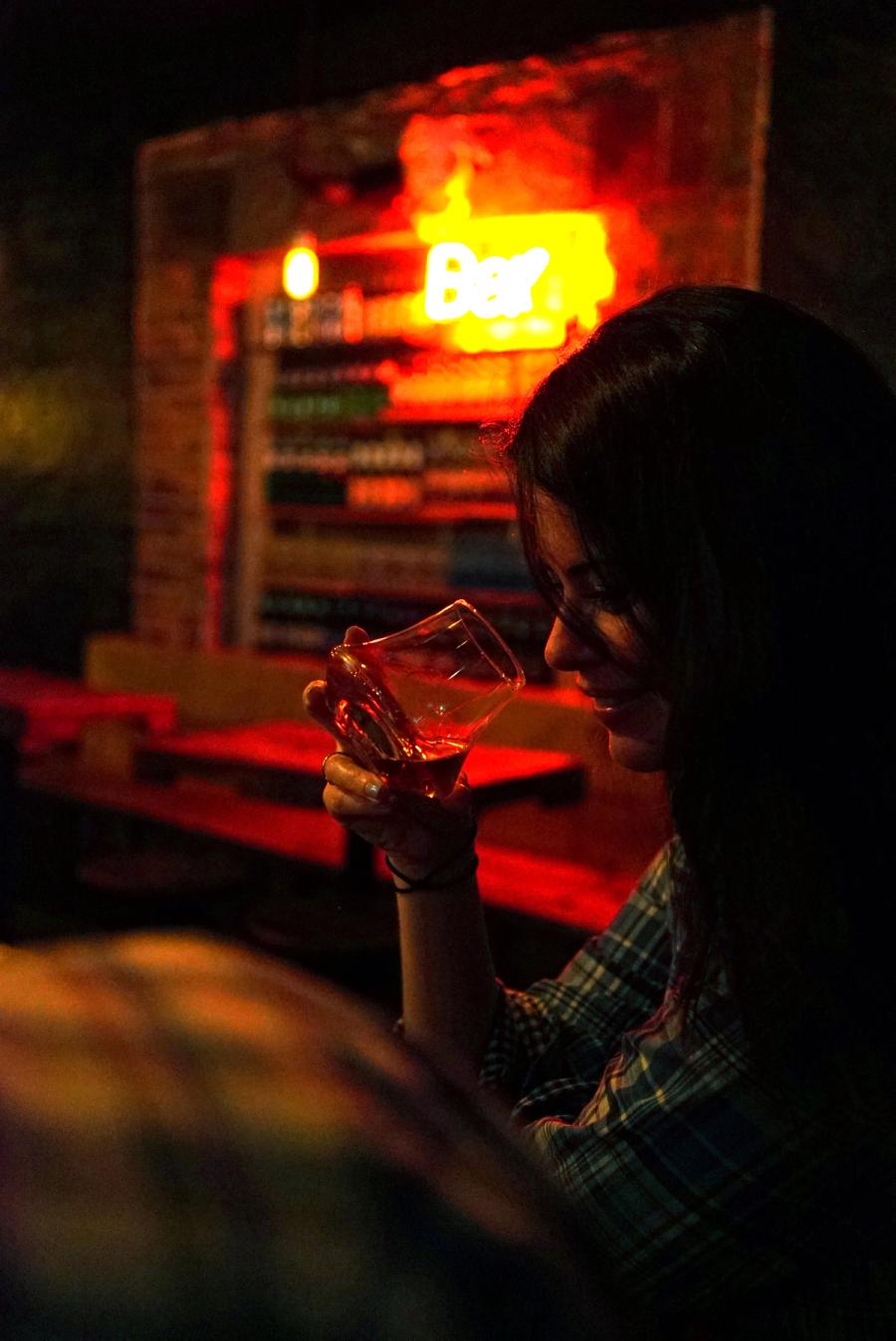
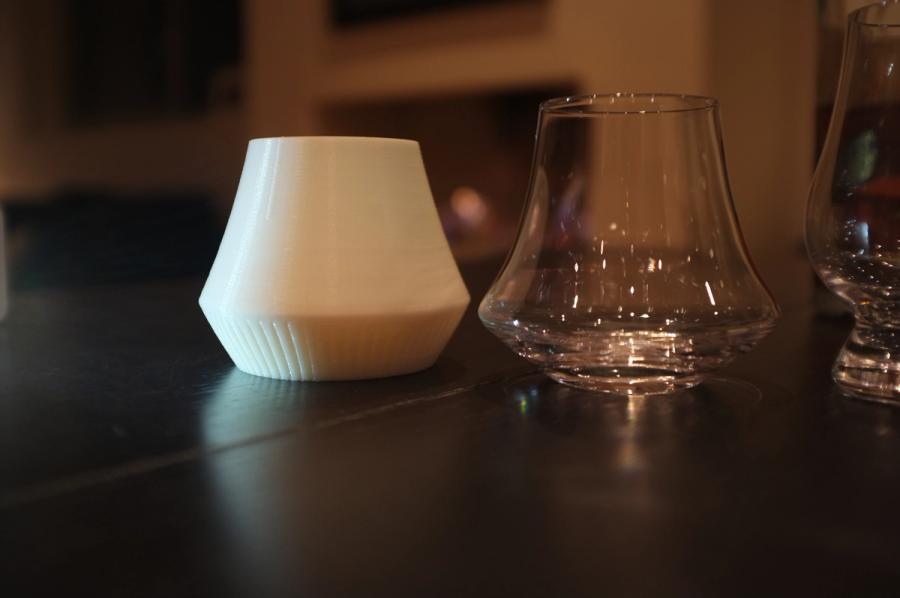
The Whisky Glass - the one that started it all - came out of an obsessive, iterative process: shape manipulation, engineered airflow, consultation with distillers who'd spent decades thinking about nosing and finish, and testing with actual whisky obsessives rather than a focus group told to say nice things. Denver & Liely have never been shy about the fact that they don't "stuff around" and that shows in how long they were willing to sit with a prototype/s before calling it done. They just did the work and assumed they others did also.
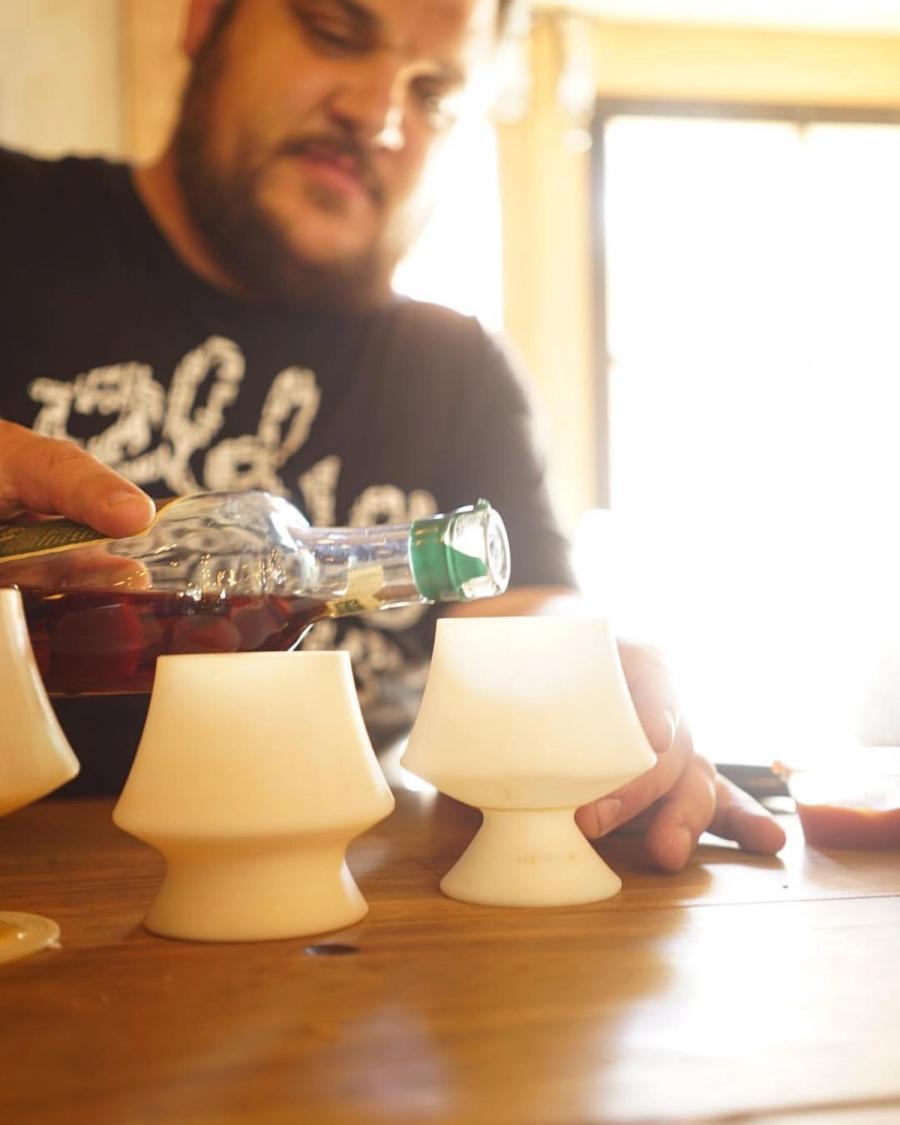
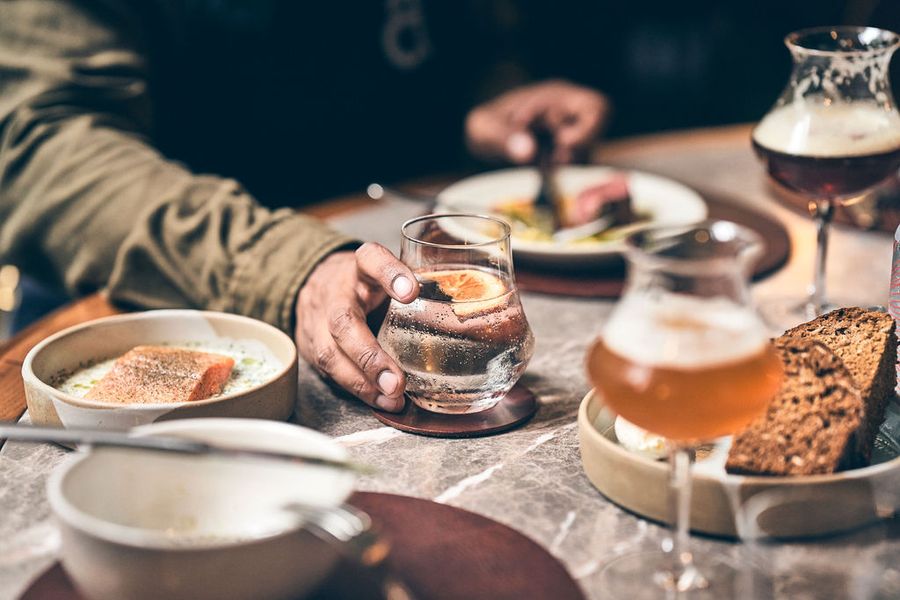
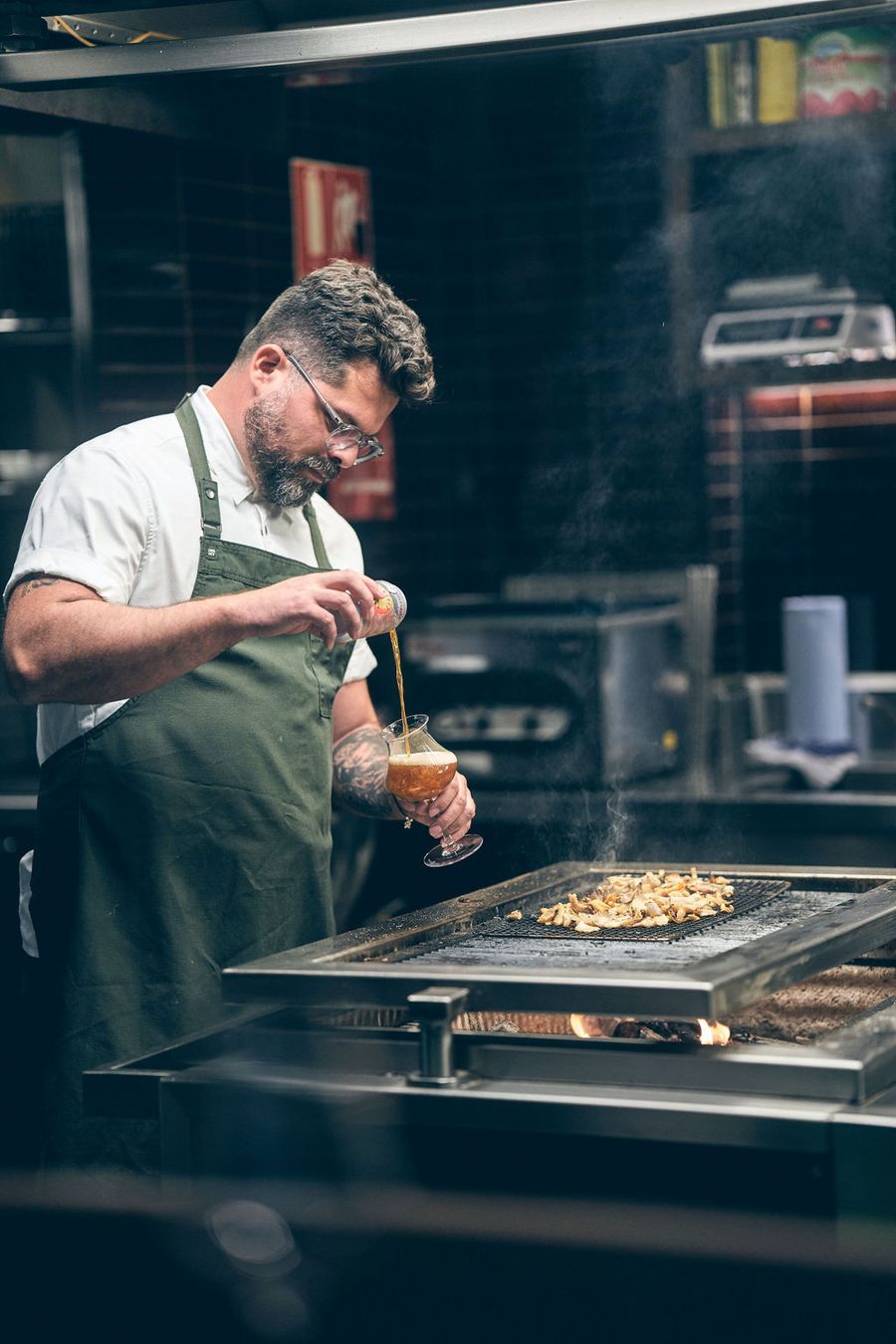
Their methodology clearly worked. The Whisky Glass, and the collection that followed it - Gin, Bourbon, Agave, Beer, and eventually Wine - has been written up by GQ, Men's Health, Gourmet Traveller, Uncrate, Gear Patrol, Forbes, Harrods Magazine, Wallpaper, Broadsheet, and Goop, among many many others. Each piece is hand-blown, hand-cut, lead-free crystal. The best possible. None of it happened by accident, and none of it happened fast.
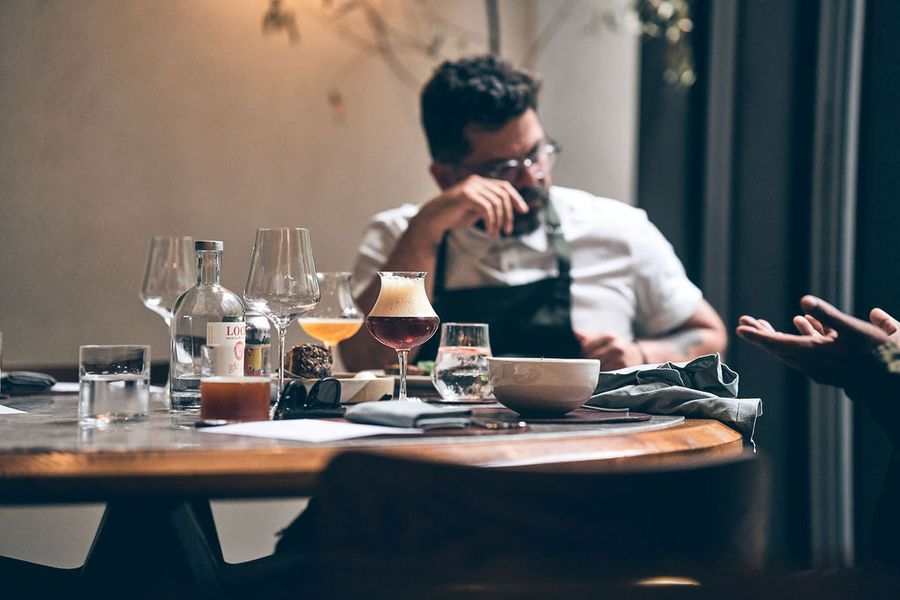
The latest - A turbine engine in a wine glass (yes, really)
If you want the clearest example of how far this rabbit hole goes at Denver & Liely, look at the Wine Glass - the one that took eight years to get right, and drew a genuinely unusual source of inspiration: a turbine engine.
Denver's logic wasn't as left-field as it sounds once you follow it through. A turbine moves air with precision and control. A wine glass, if you think about it the way an engineer does, is trying to do exactly that - manage liquid flow across fins to accelerate aeration process (softening/integrating tannins, opening up aromatics) that would otherwise take years in a bottle. So the Wine Glass ended up with bespoke directional fins radiating from a raised hub at the base of the bowl, asymmetrical on purpose - one rate of aeration clockwise, a more aggressive one in reverse - so the drinker actually has control over how hard they want to hit the accelerator on a given bottle and tune taste to themselves, not the table.
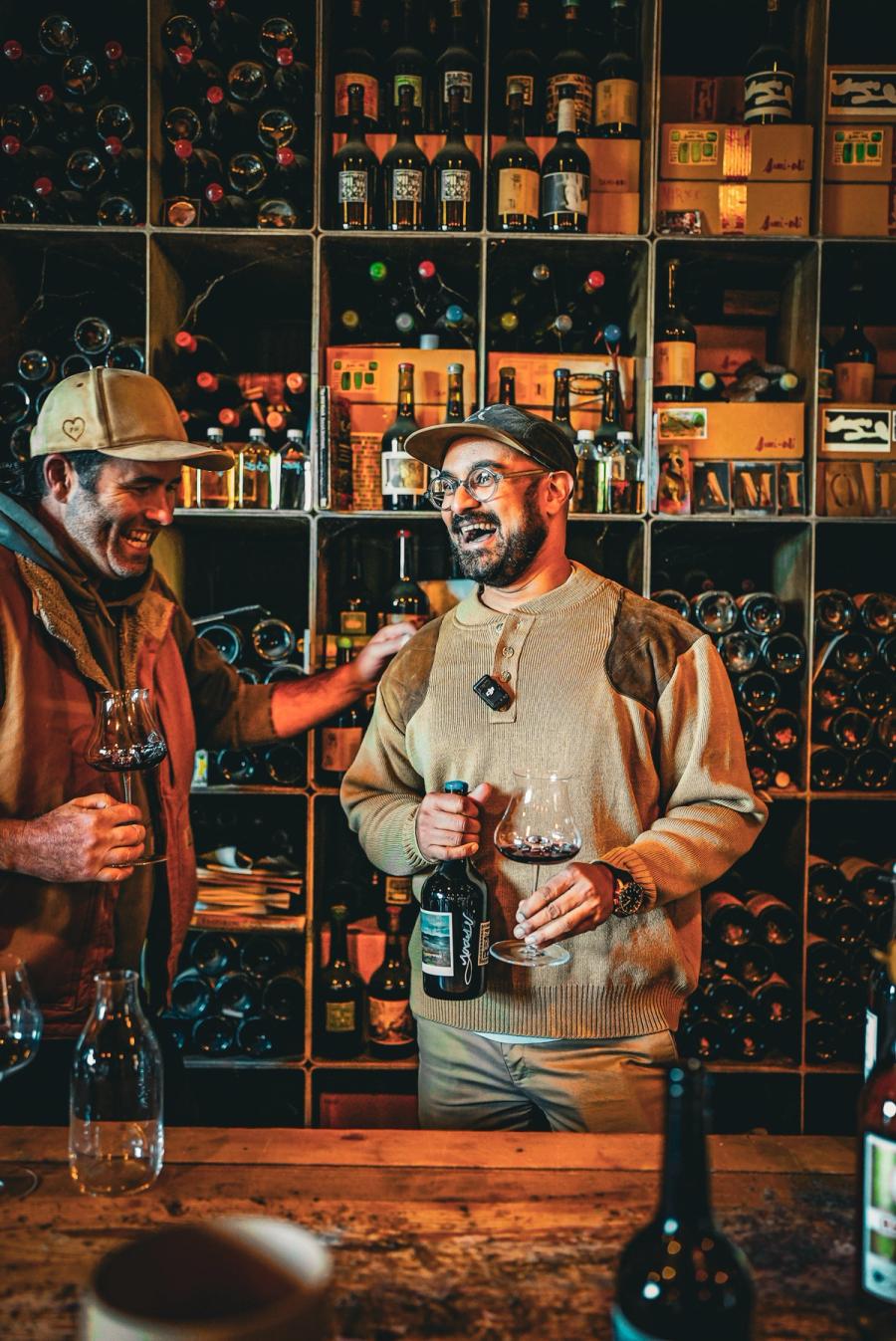
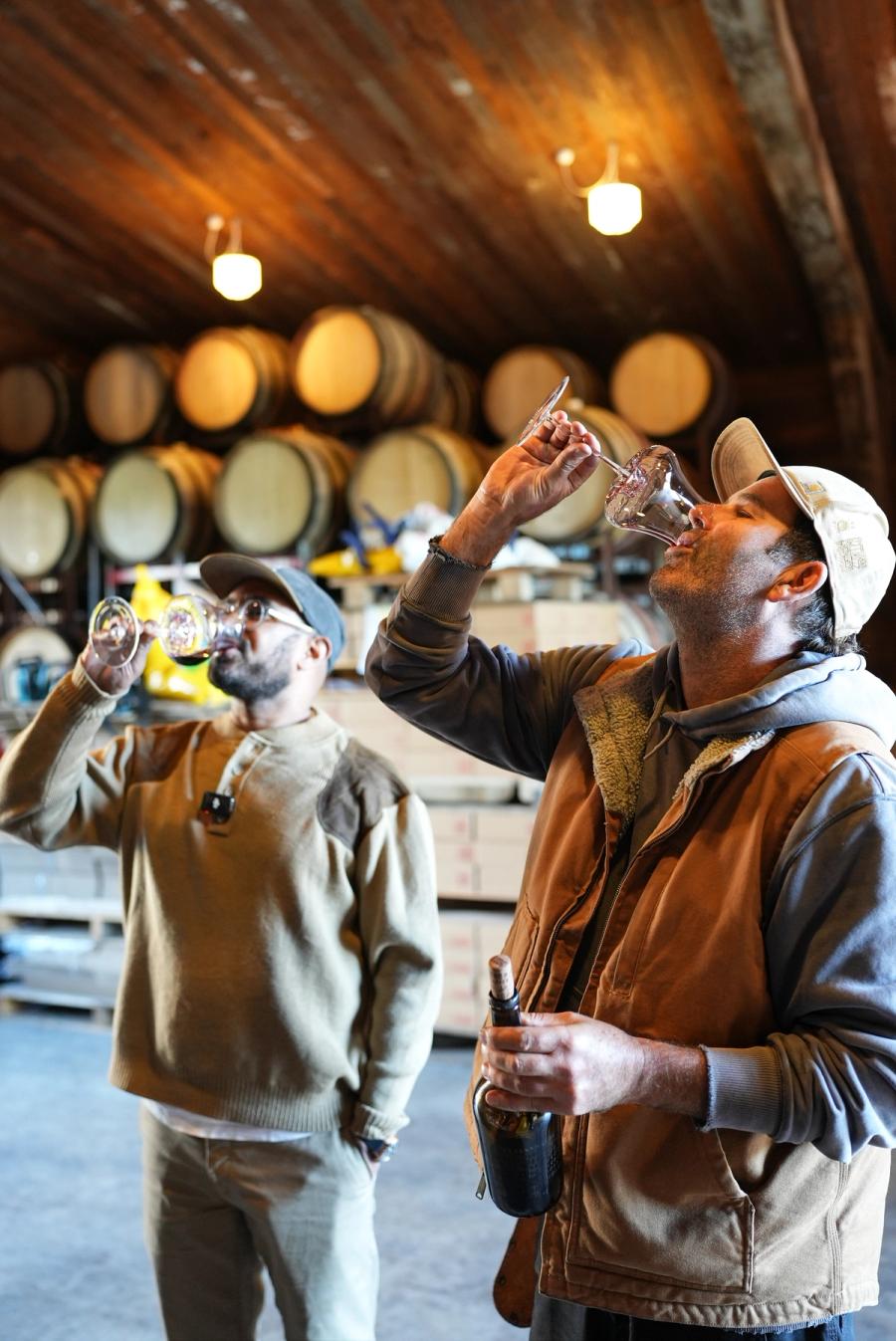
It got tested, extensively, with people who don't hand out compliments lightly: Château Pichon Baron, Penfolds, Château Biac, Rockford, Château Guadet, Château Canon-la-Gaffelière, Henschke, Sami Odi, Vignobles Hermouet, Jane Eyre Wines and many more.
"It can make a wine taste like it's aged another four or five years."
— Count Stephan Graf von Neipperg, Vignobles Comtes von Neipperg
"It's like a time machine. It opens the wine up much more and much faster."
— Vincent Lignac, Château Guadet
Nicolas Santier of Château Pichon Baron said, flatly, that with this glass you don't need a decanter at all. Denver's own summary was cleaner, and honestly funnier, than any of that:
"If other wine glasses are the grand piano, the Denver & Liely Wine Glass is the entire orchestra."
— Denver Cramer, Co-Founder
An international patent's been filed on the design. It's currently pending. That's the kind of sentence that shows up when a company treats a wine glass with the seriousness usually reserved for actual machinery - because to them, it basically is one.
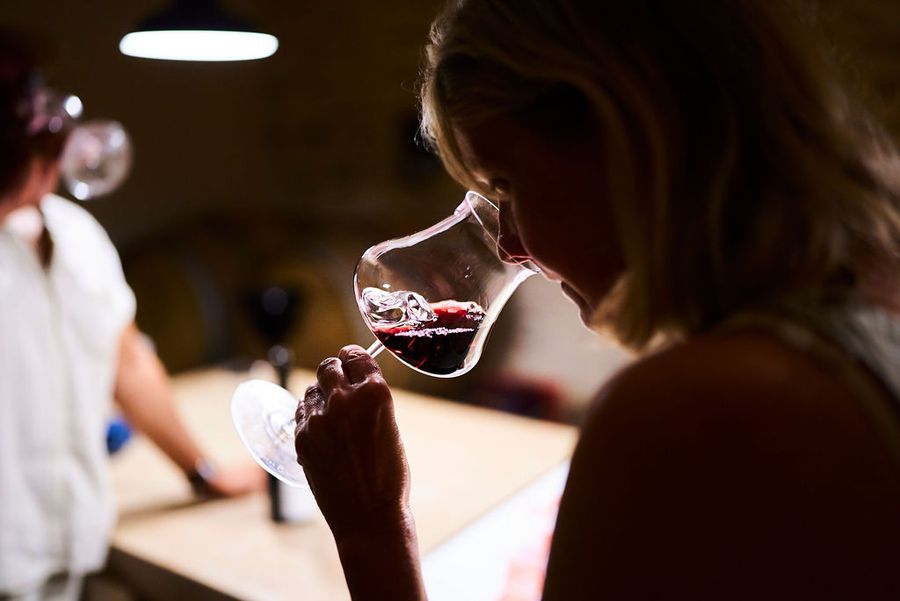
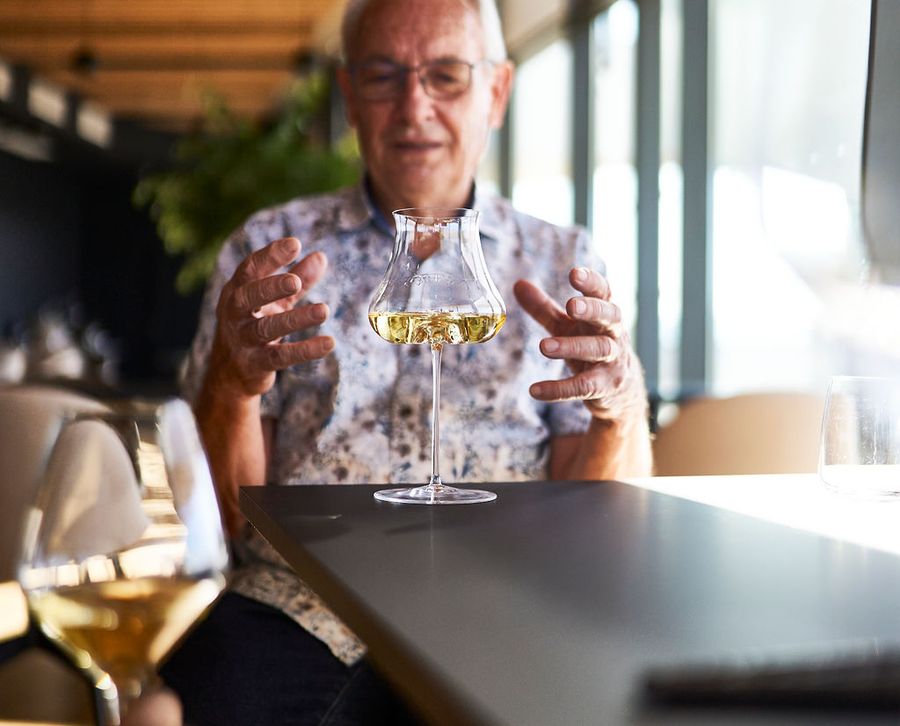
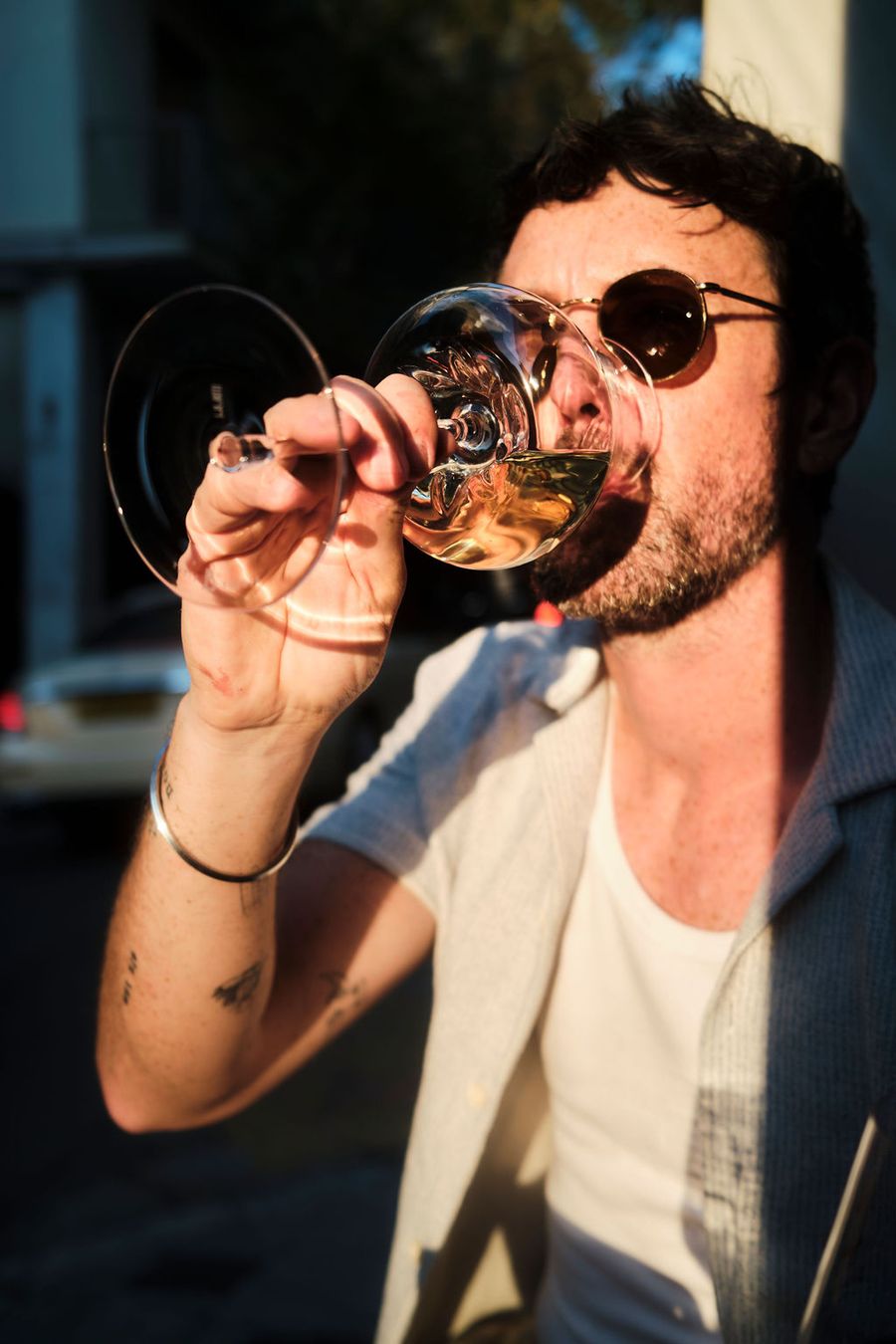
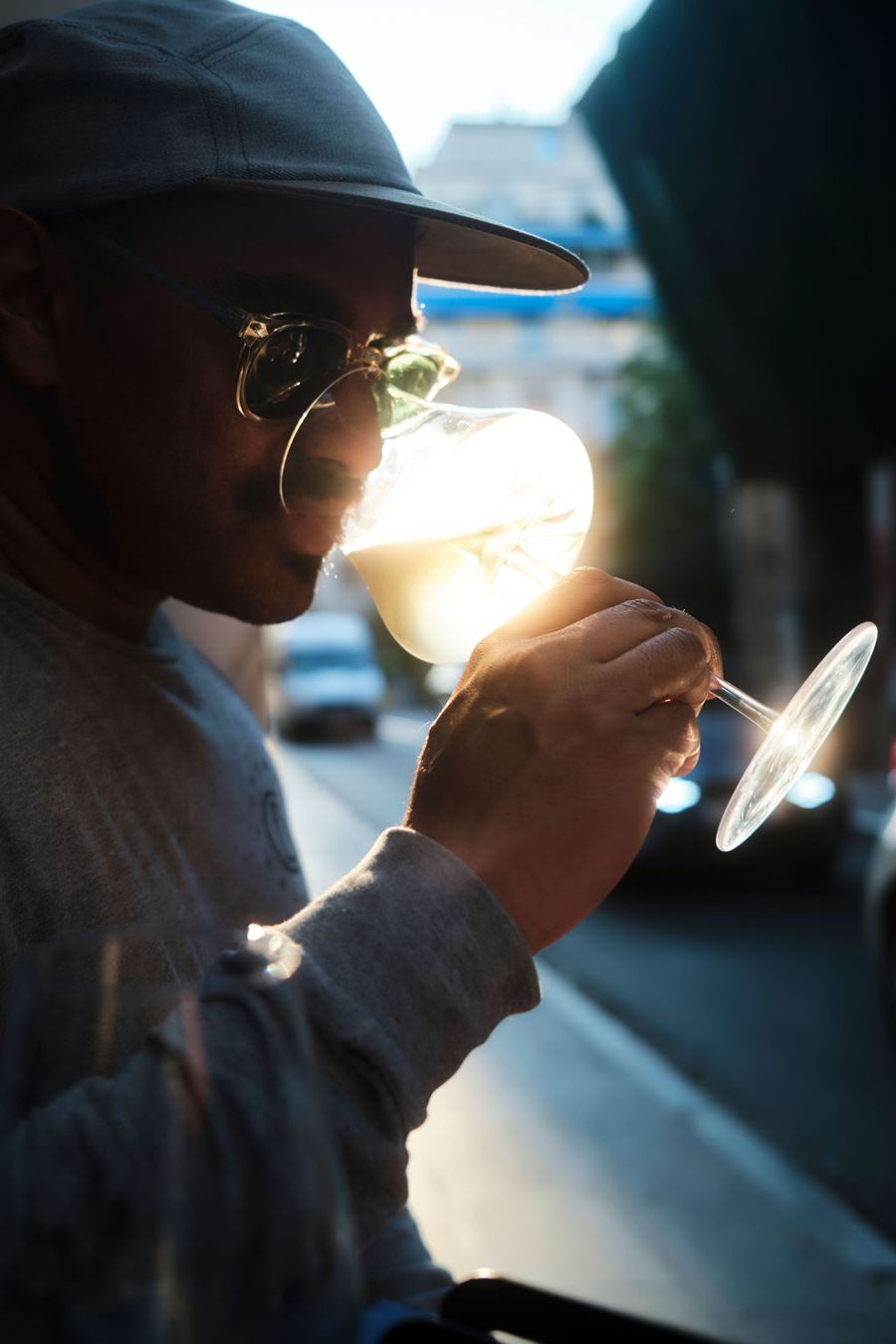
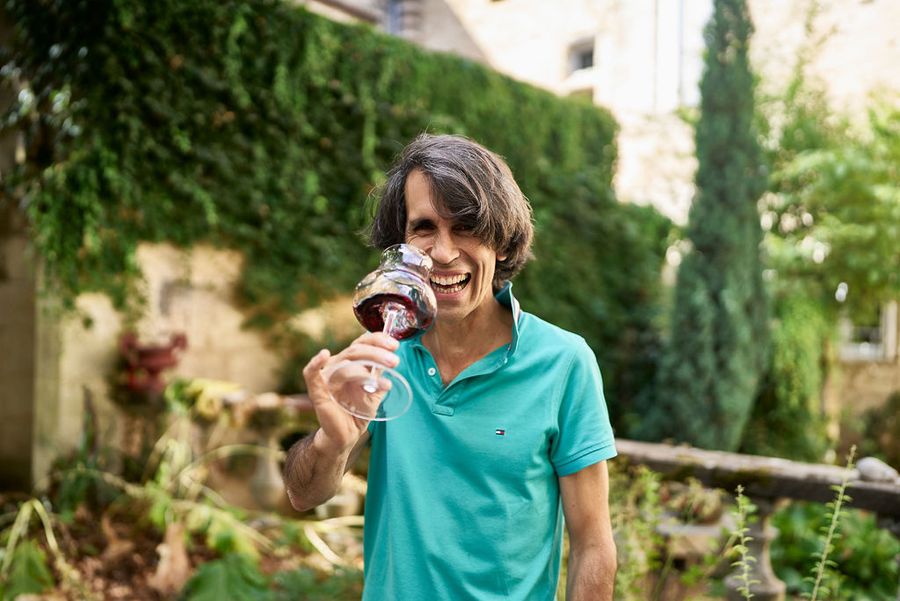
None of that consultation happened over email. It happened in actual cellars, actual barrel rooms, with actual winemakers pouring their own bottles and waiting to see if the glass held up to their opinion of their own wine.
What "Simple. Good. Design." actually means
You'll see that phrase around the place - it's not just a tagline, it's closer to a filter every product gets run through before it's allowed to exist. Simple: does this need to be more complicated than it is? Good: is it actually better, in a way you can feel with your hands and taste in the glass, not just better in a press release? Design: has every curve earned its place, or is it decoration?
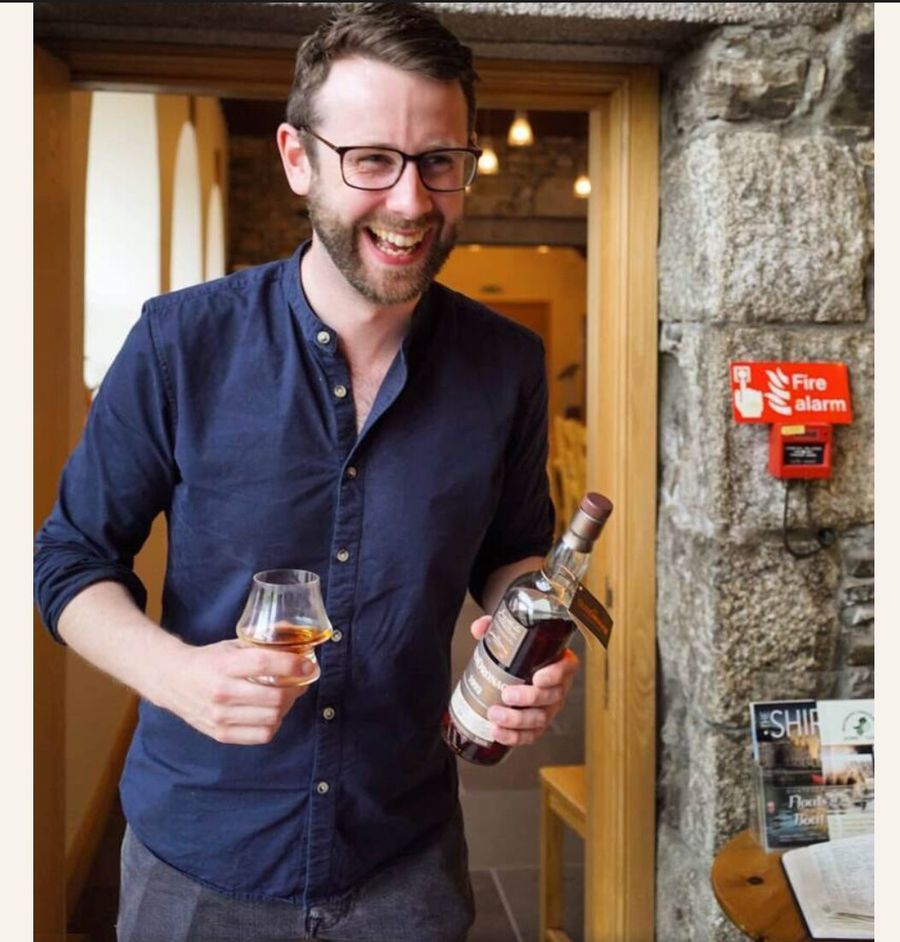
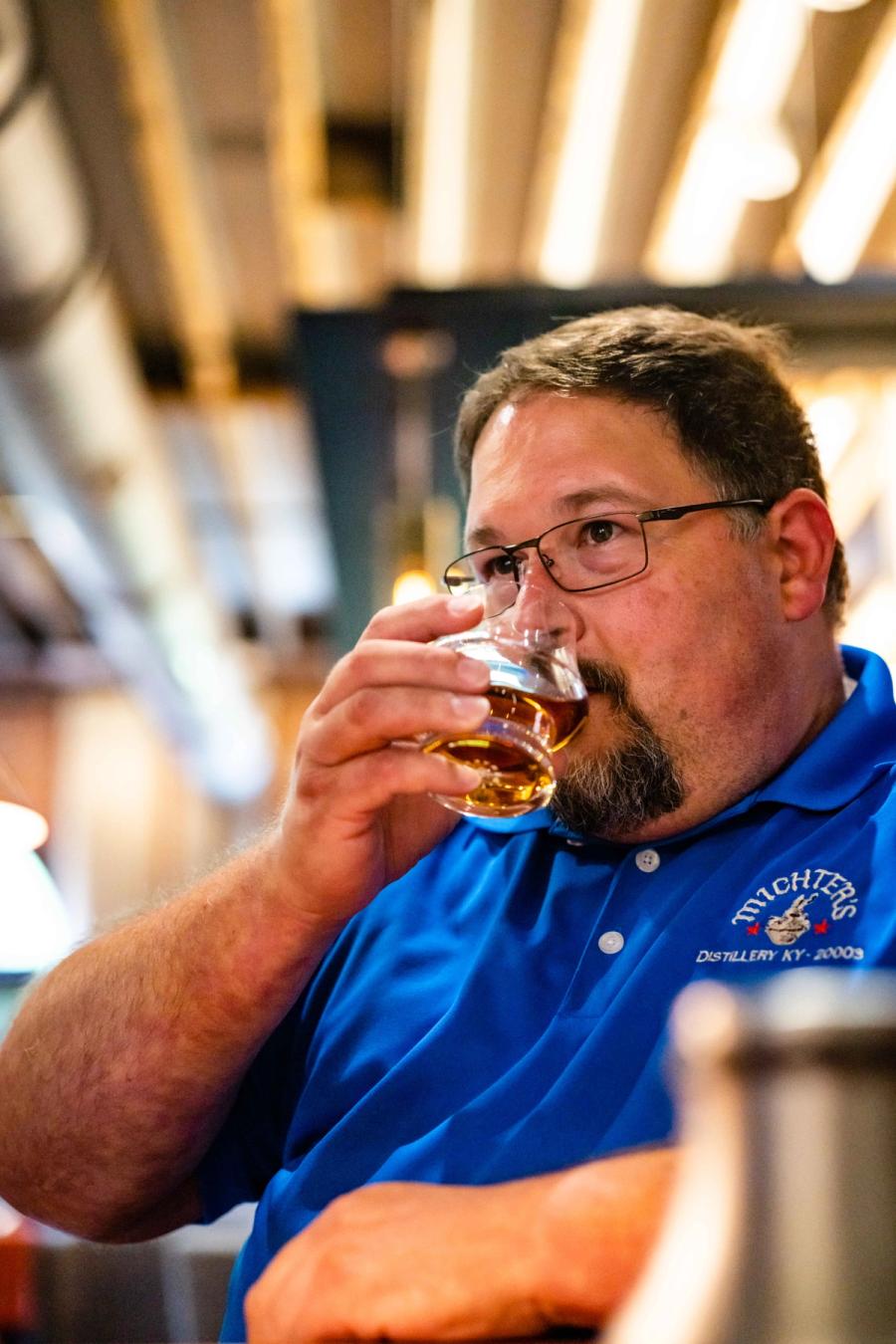
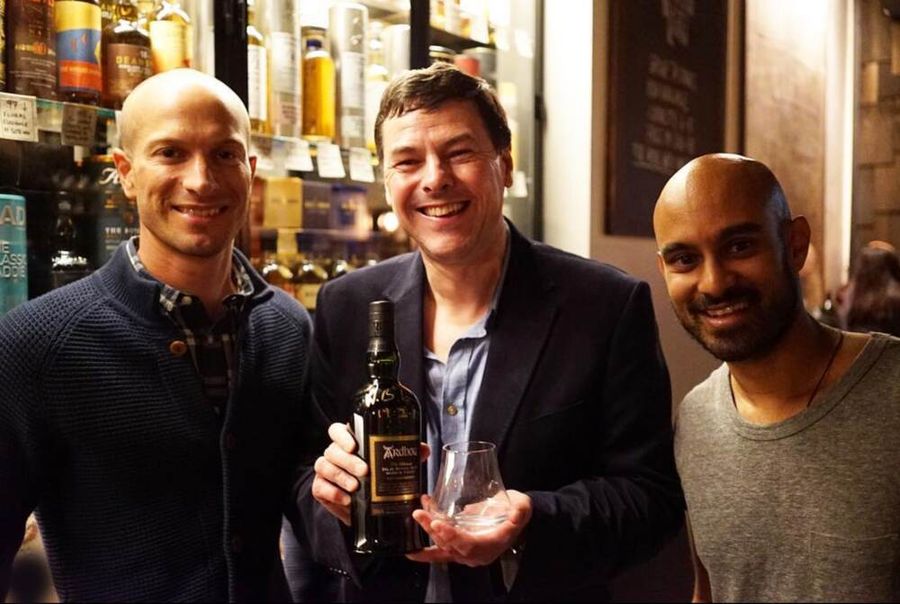
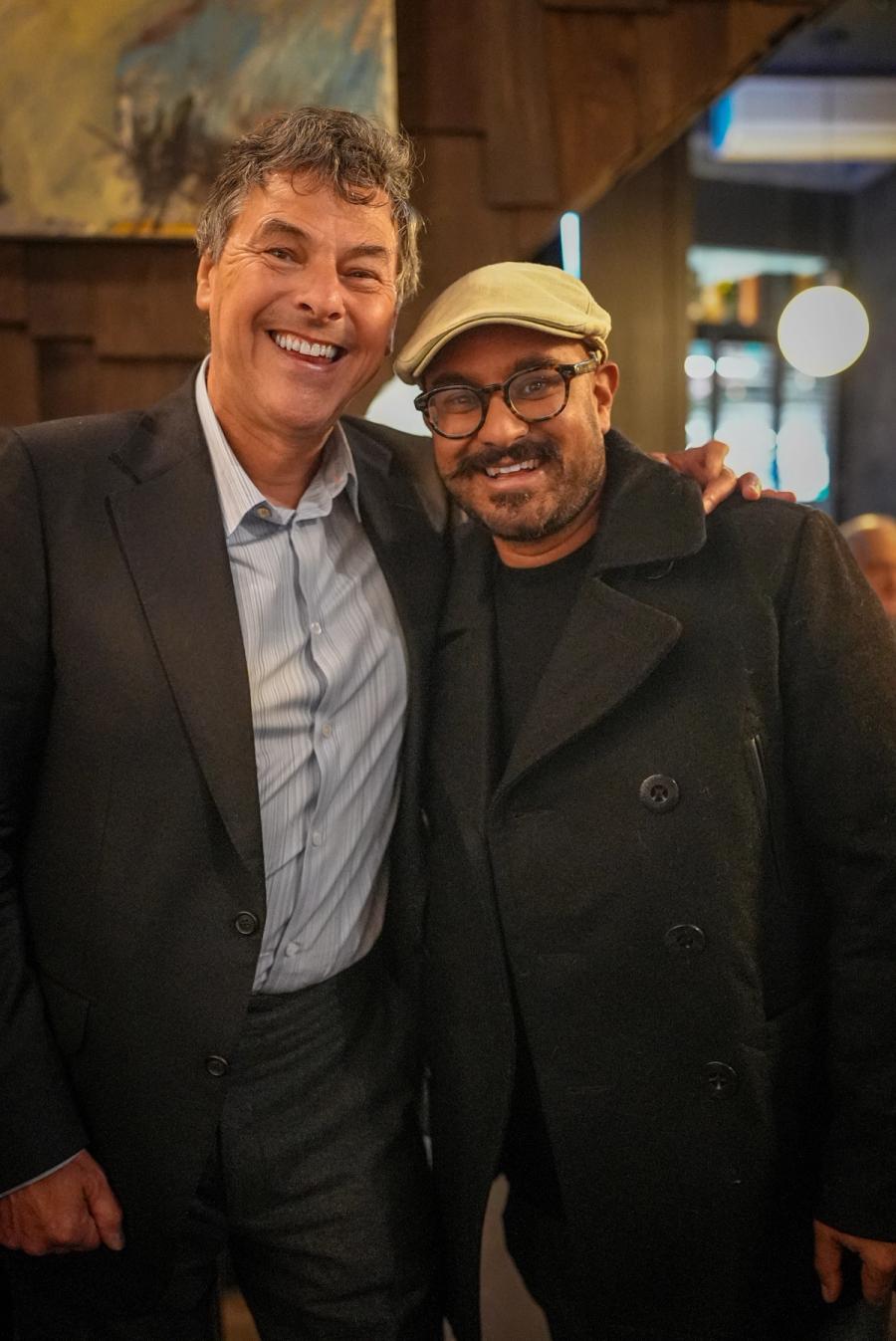
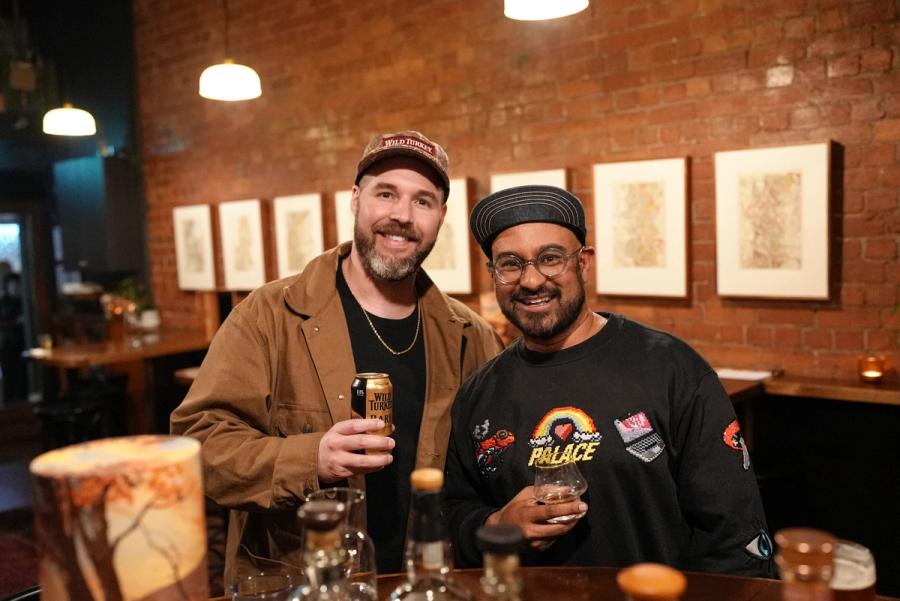
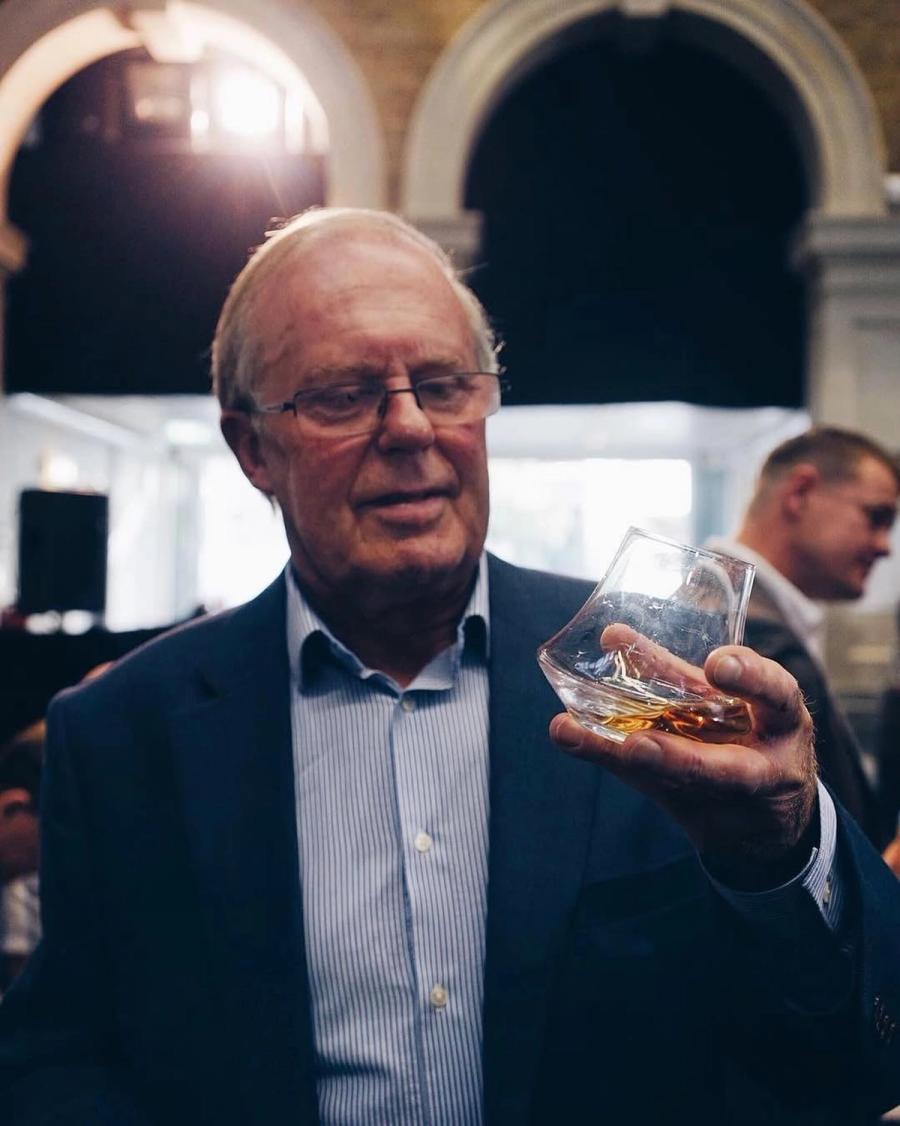
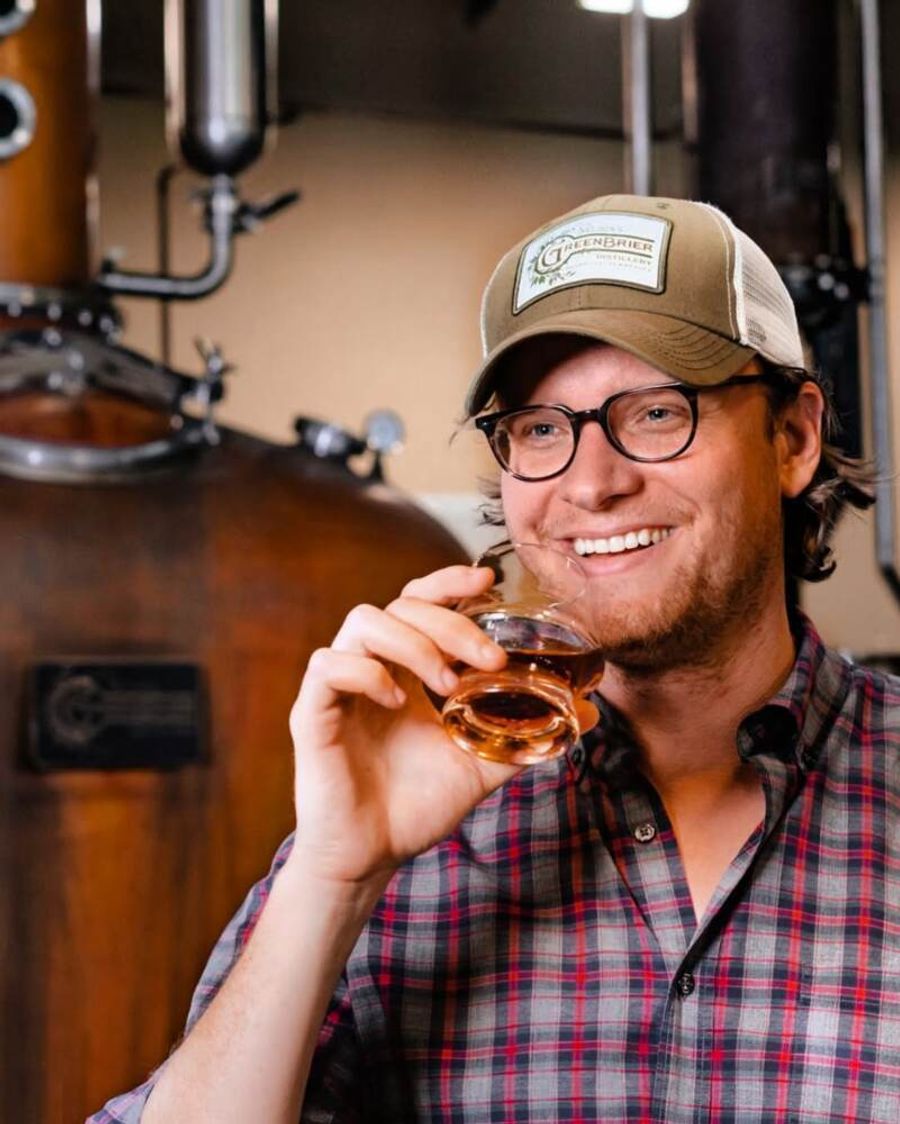
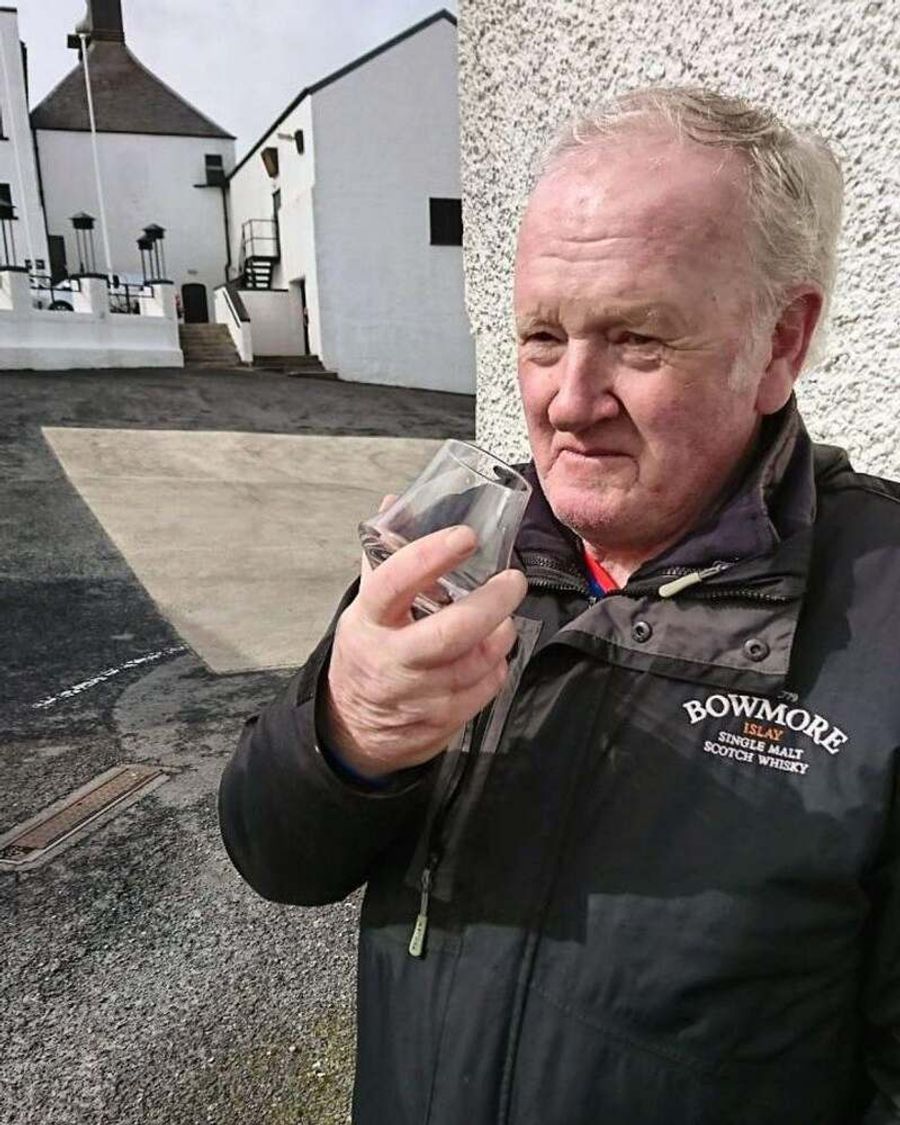
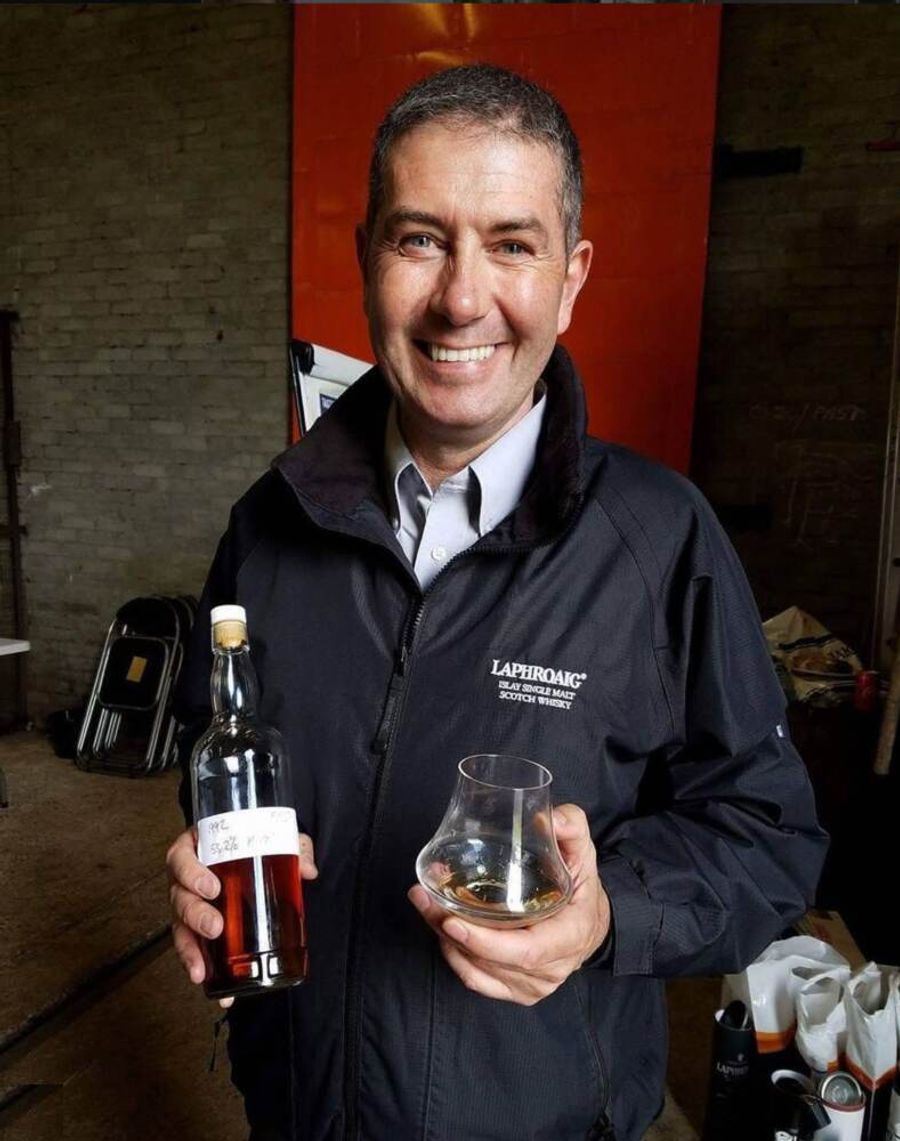
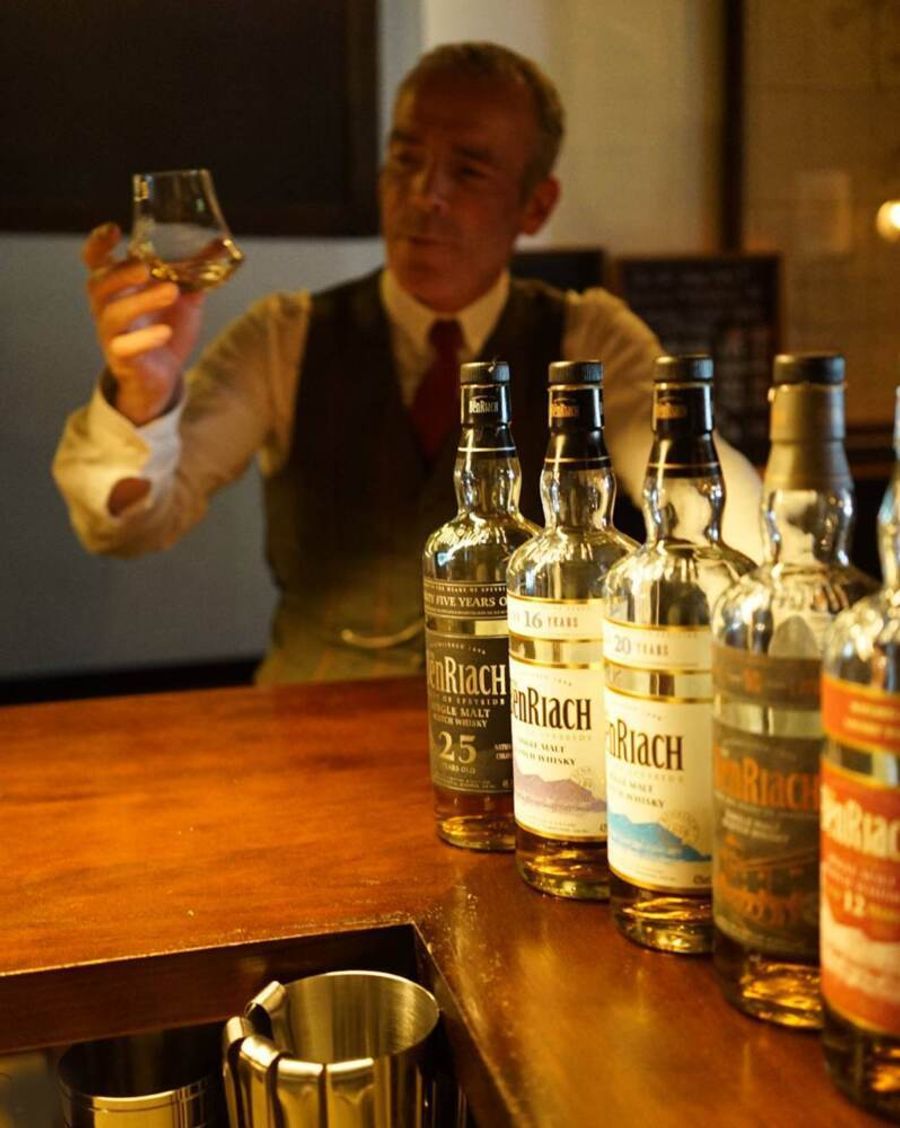
It's a stricter bar than it sounds. It's the reason the Whisky Glass took years instead of months. It's the reason the Wine Glass has a patent pending instead of a "close enough" curve on the bowl. And it's the reason the pair have kept going back to the source - literally getting on planes to Kentucky and Tennessee to research American whiskey first-hand, not just the spirit and the process but the culture and the people who make it, the same instinct behind #peopleofwhisky, #peopleofgin, #peopleofbourbon and #peopleofagave. They never really stop learning the drink before they design for it.

On the road for the Agave Glass
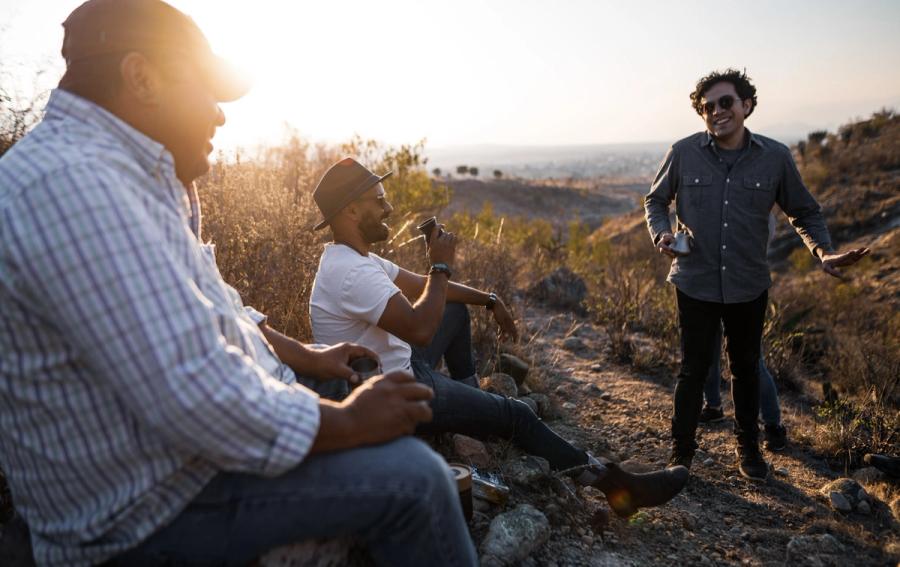
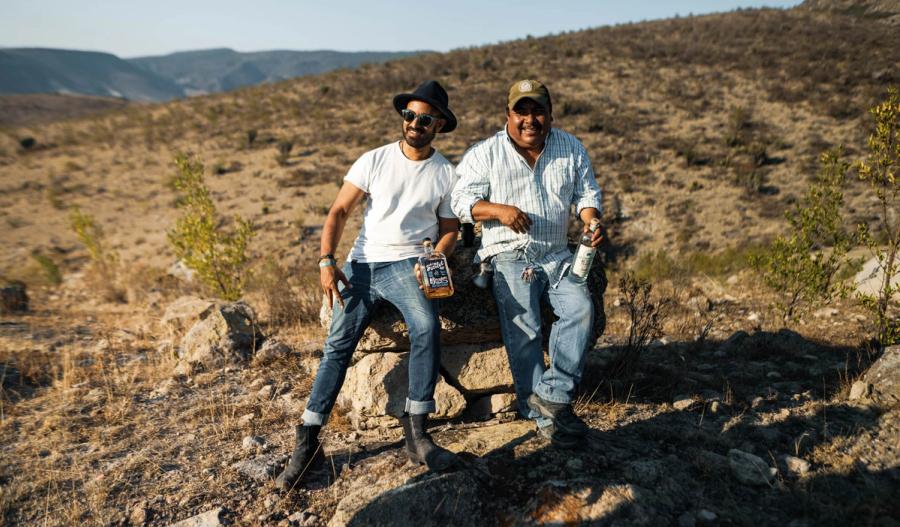
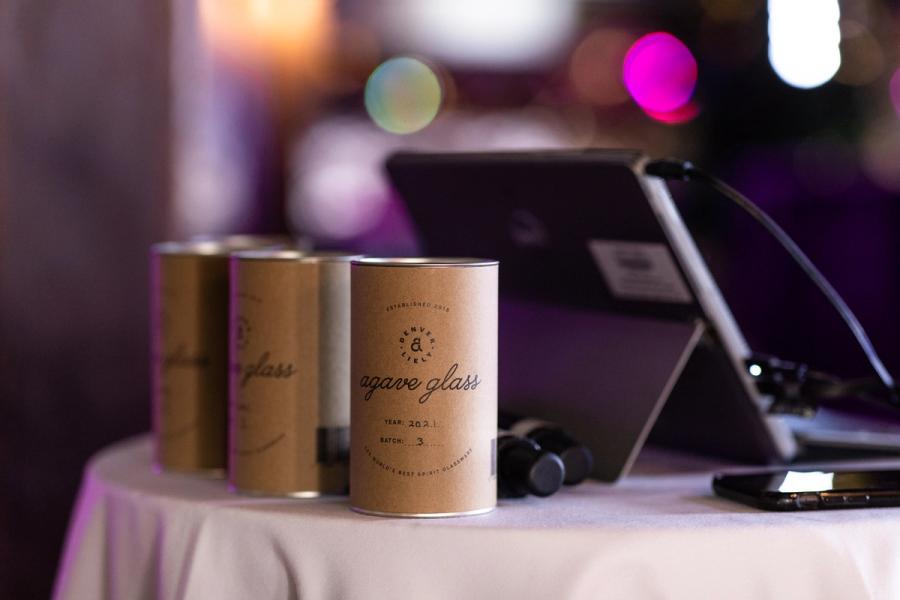
Whiskey country wasn't the only field trip. The Agave Glass came out of actual time spent in agave country — dirt roads, roadside ranches, and afternoons spent talking shop with the people who roast, grind, ferment and distil the stuff for a living, not the tasting-room version of that conversation.
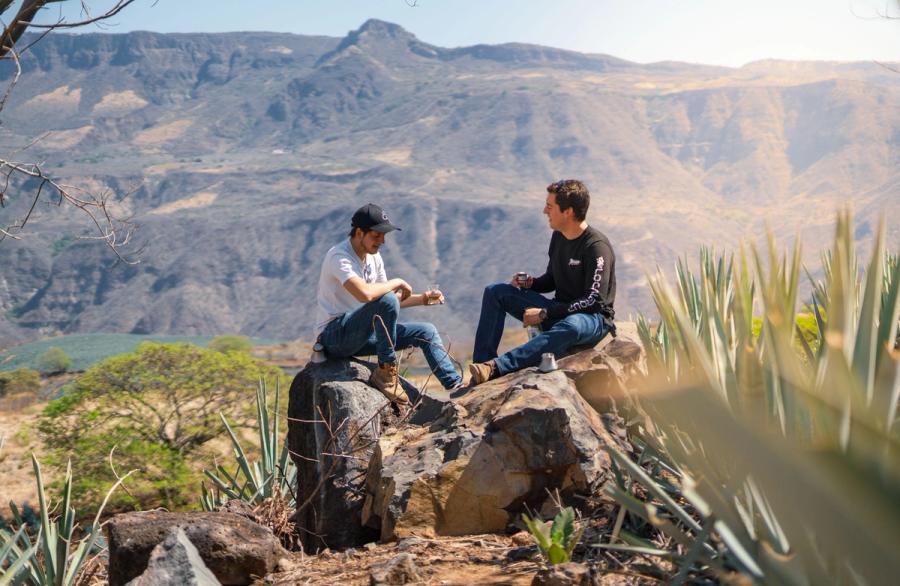
Overlooking agave country — the conversation that shapes a glass doesn't happen in a boardroom.
Getting the design right meant getting the process right first: horneado, molienda, fermentación, destilación — roasting, grinding, fermenting, distilling. Tasting notes got taken the same way a wine judge would take them, on the actual production floor, not from a briefing document back home.
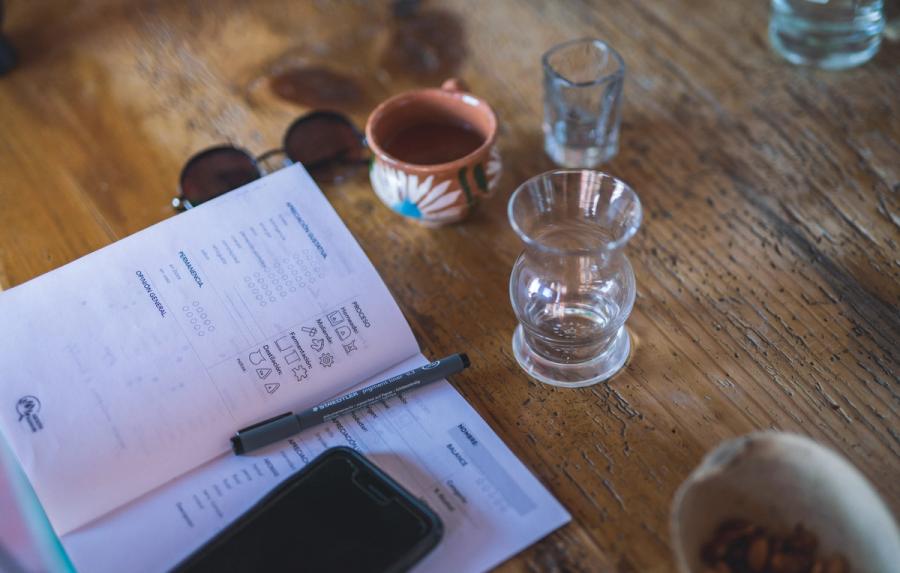
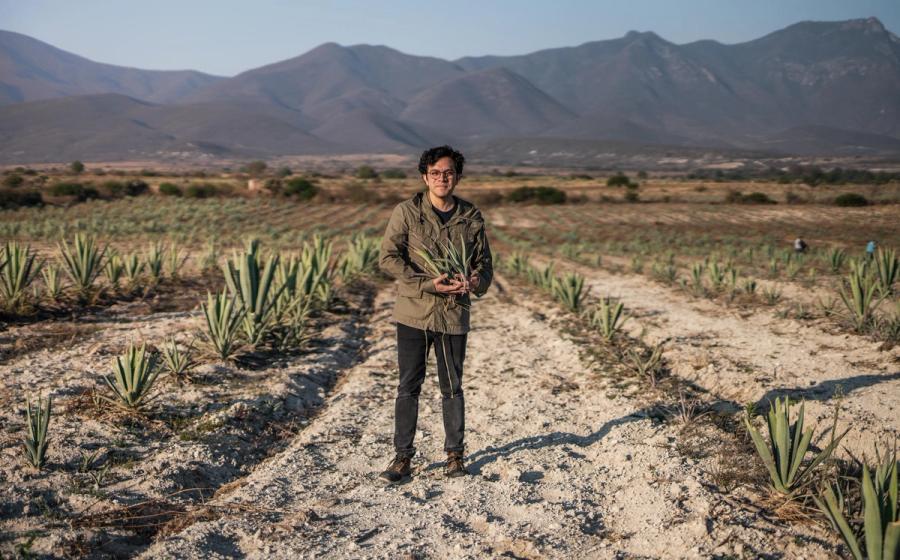
Tasting notes taken on-site, in the language of the people who actually make it. Evenings off the record, mostly.
Between stops there's the part nobody photographs for the press release - walking unfamiliar streets trying to find the next producer, getting lost a little on purpose.

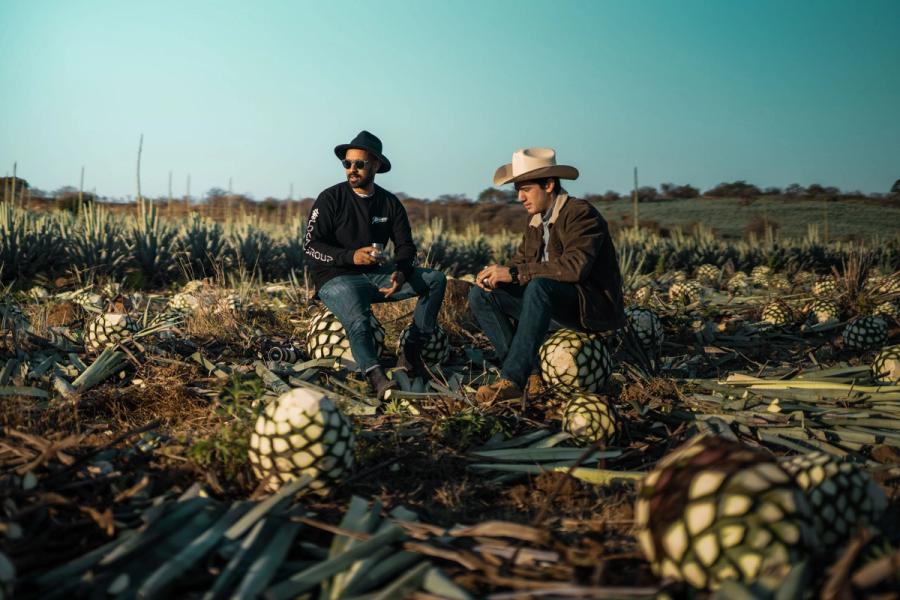
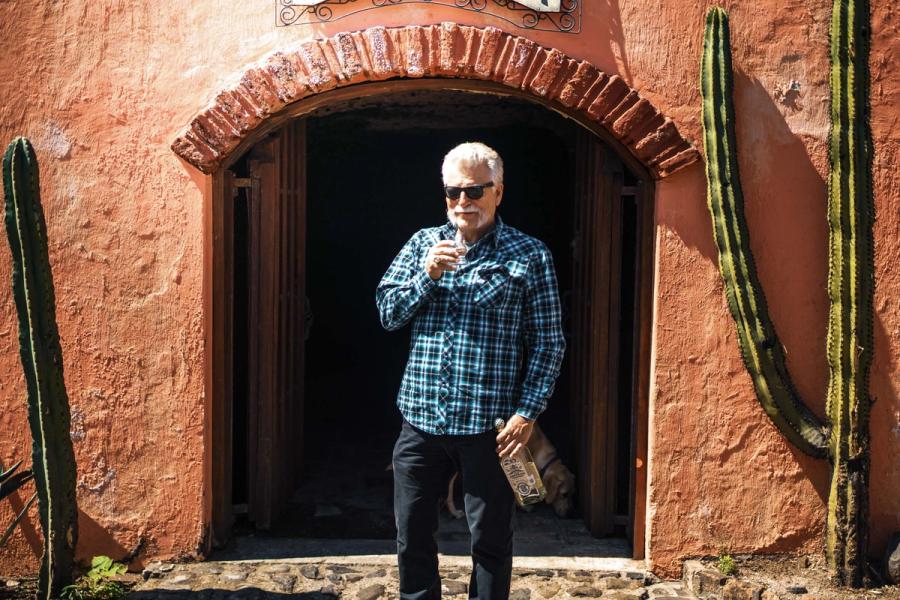
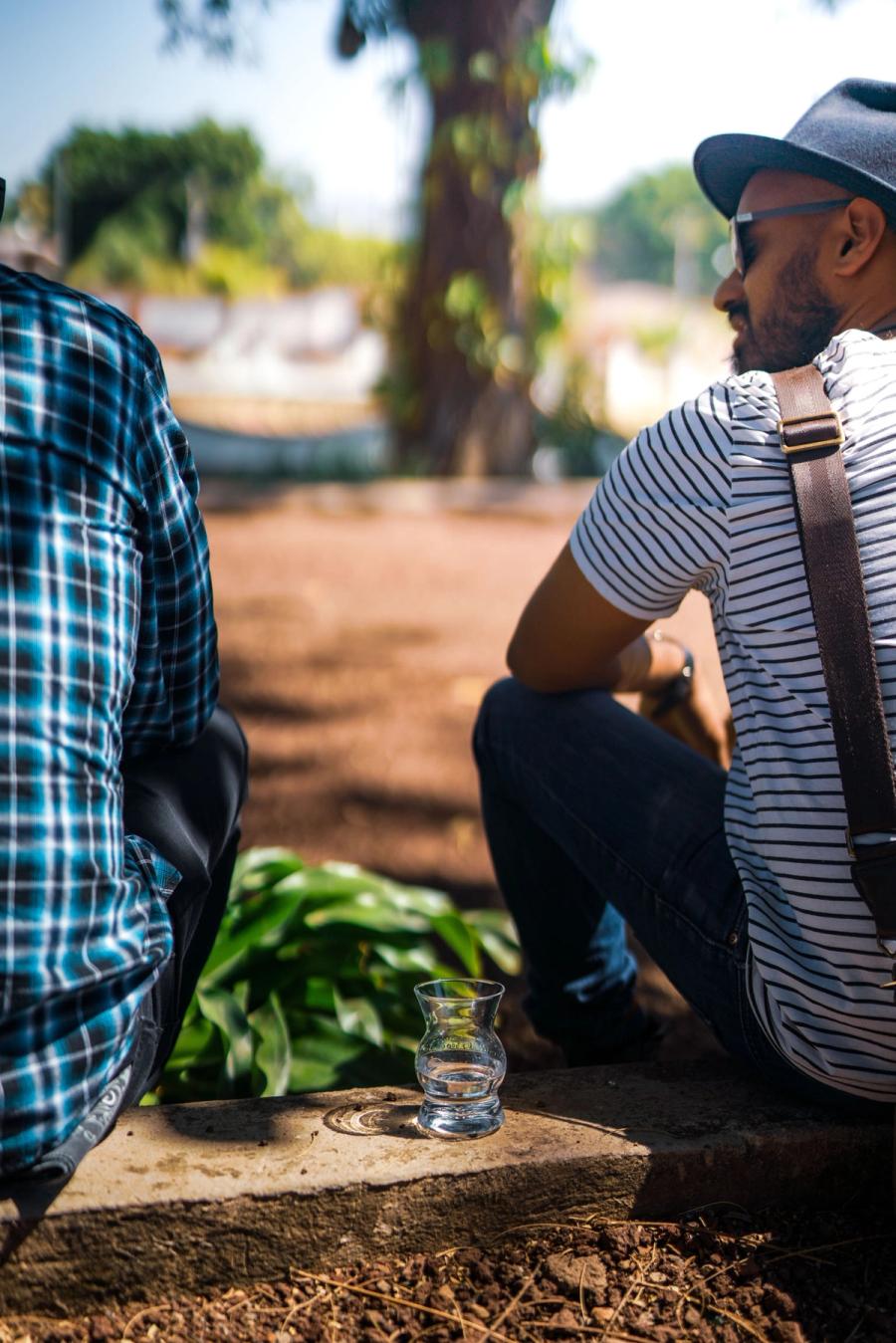
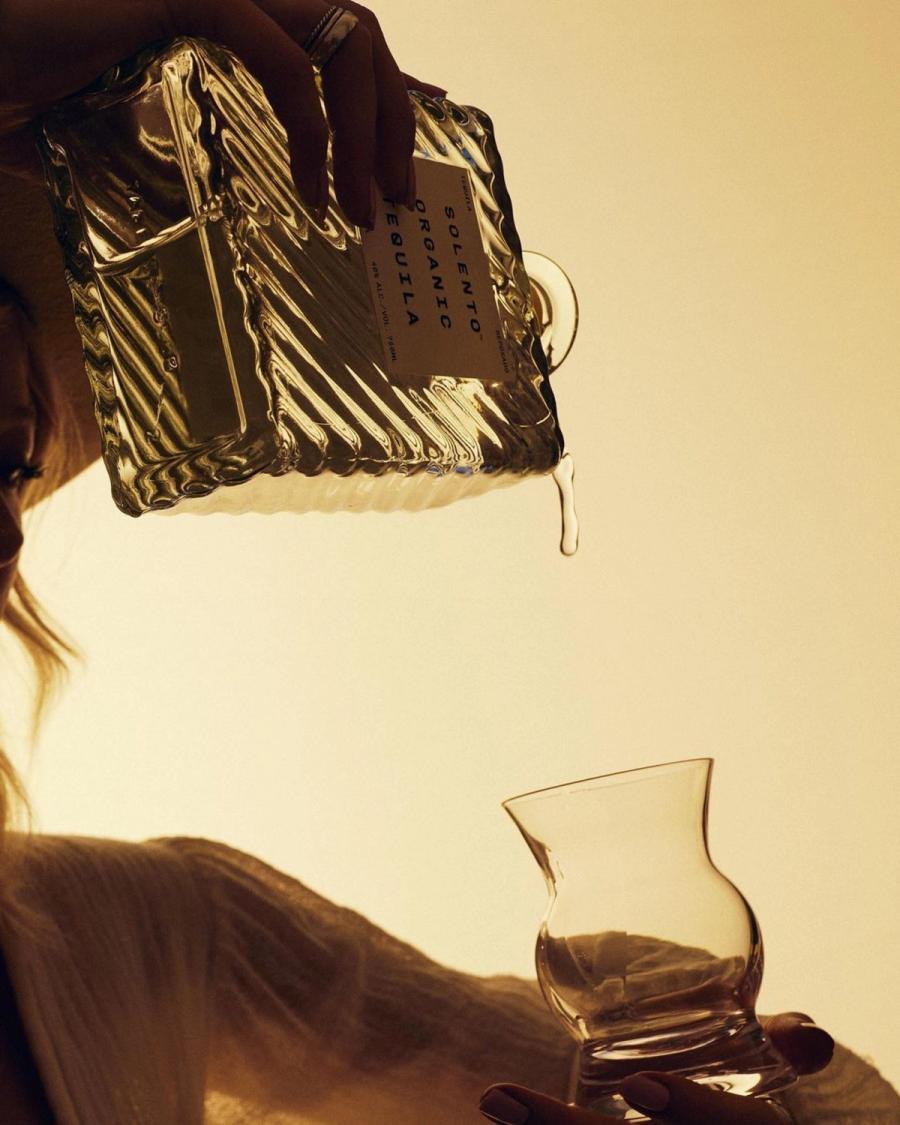
Finding the next producer usually means getting a bit lost first. Piñas make surprisingly good seating, mid-conversation. Every stop had a local producer, and a truck. A glass small enough to actually taste from. A tequila brand's own pour test - into the Agave Glass, not around it. The end result, held up to the light.
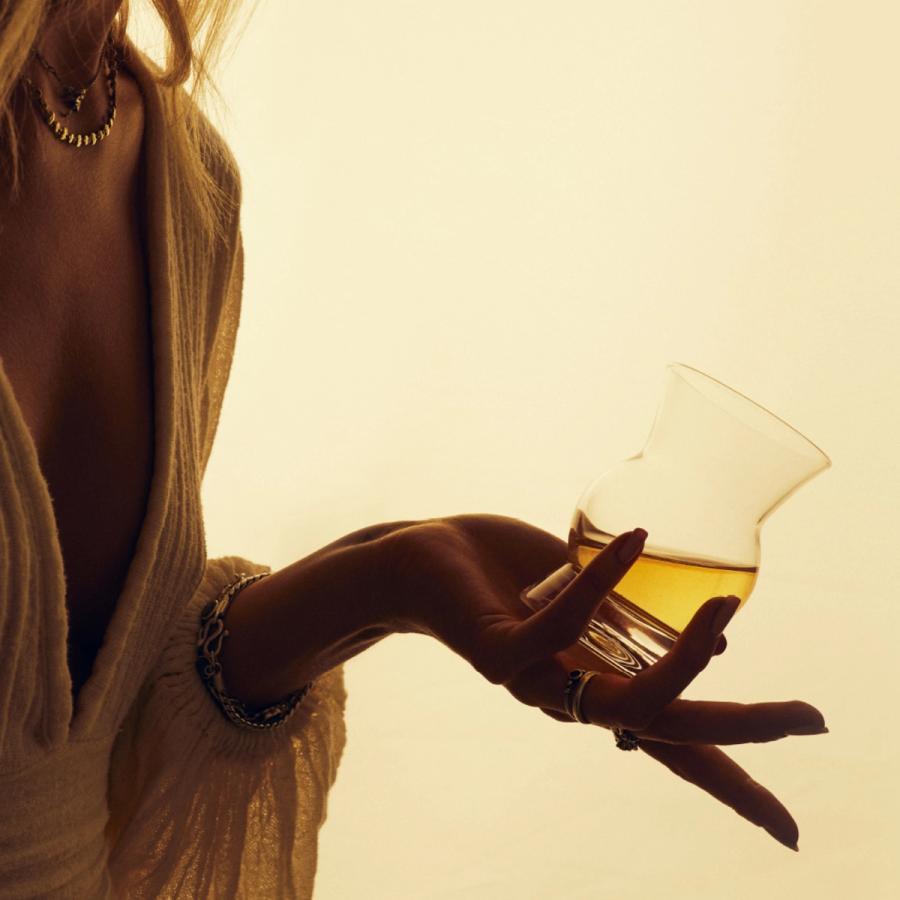
And sometimes the research trip looks less like a distillery tour and more like standing in someone's actual backyard, where the agave grows next to the fence and the local horse doesn't care either way.
Somewhere between a distillery and someone's actual backyard.
Called in to teach it, not just sell it
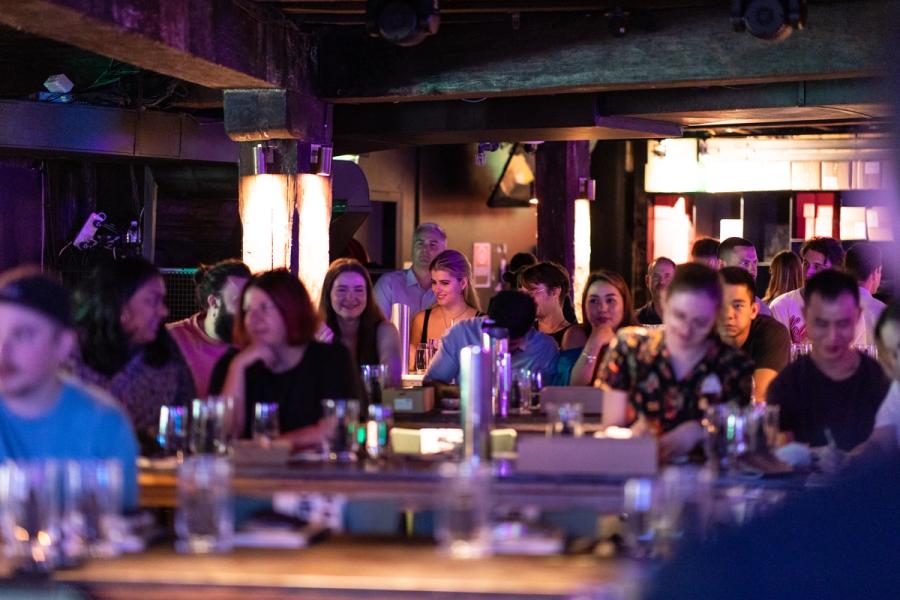
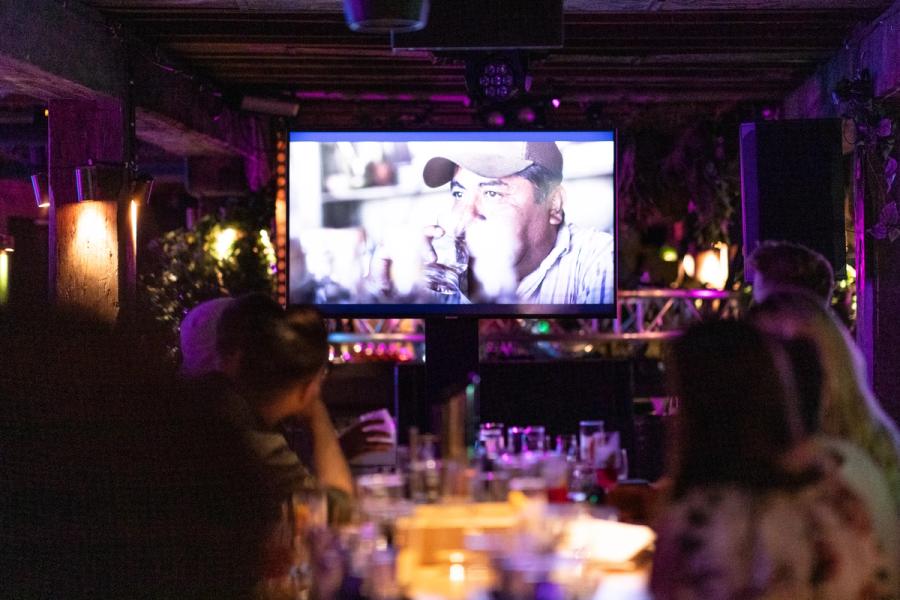
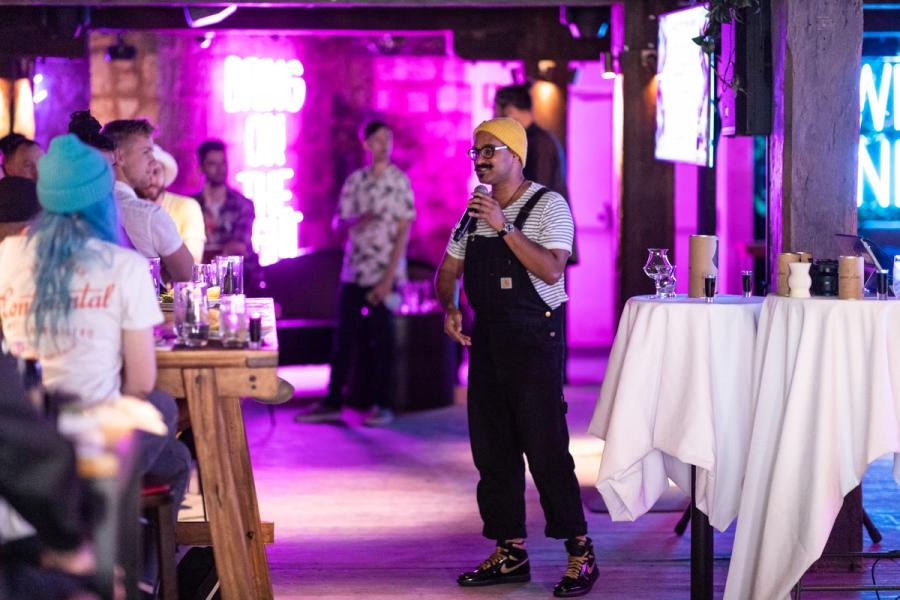
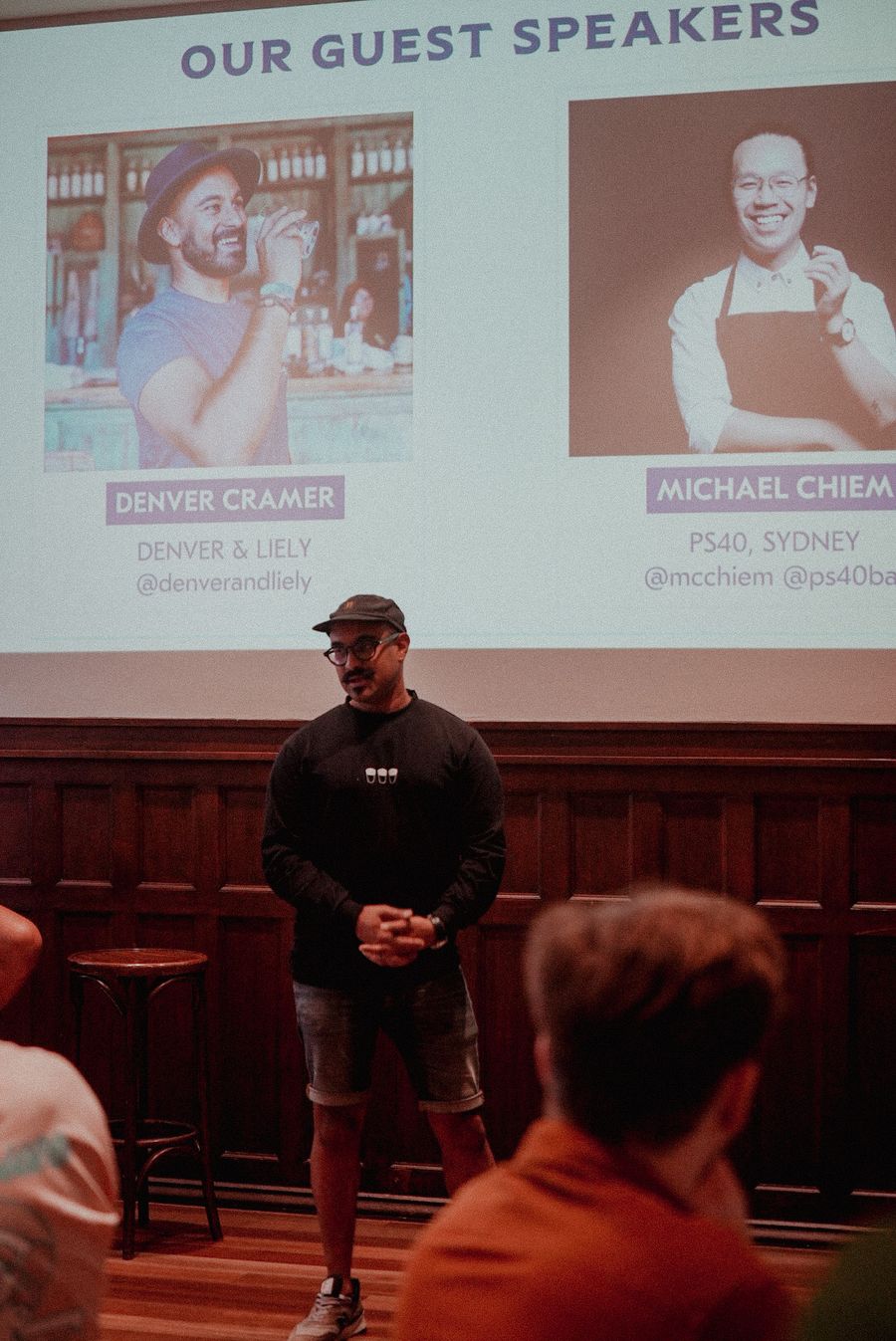
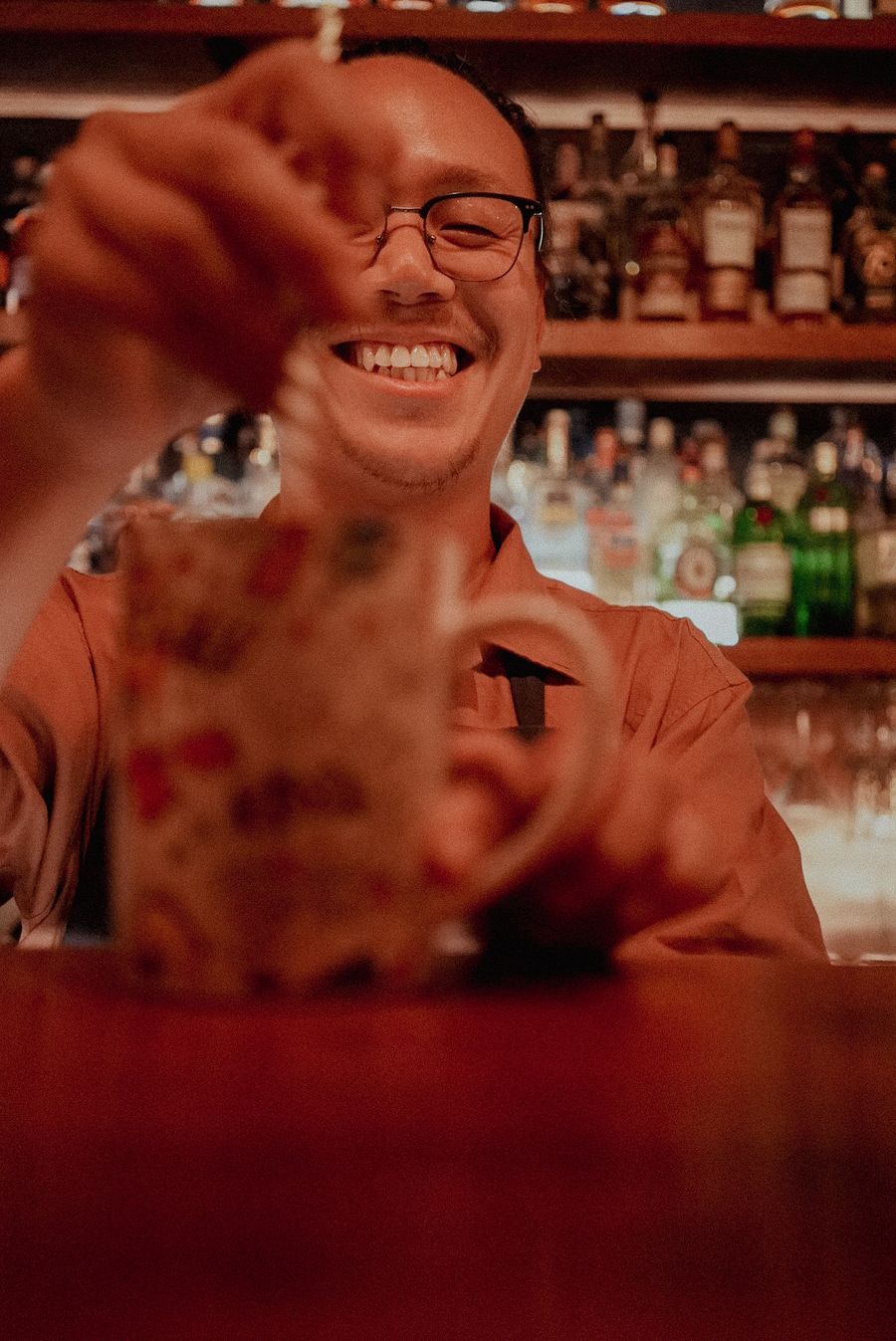
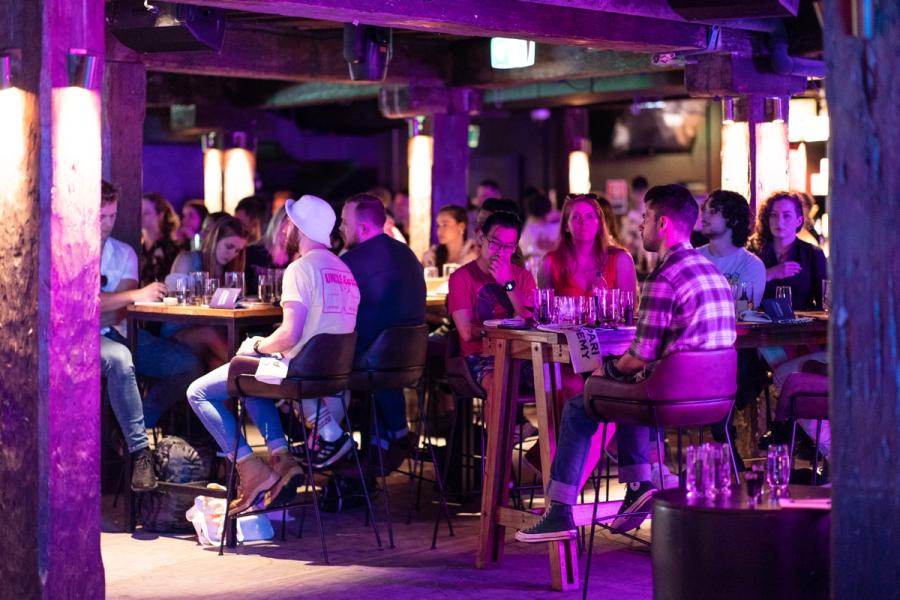
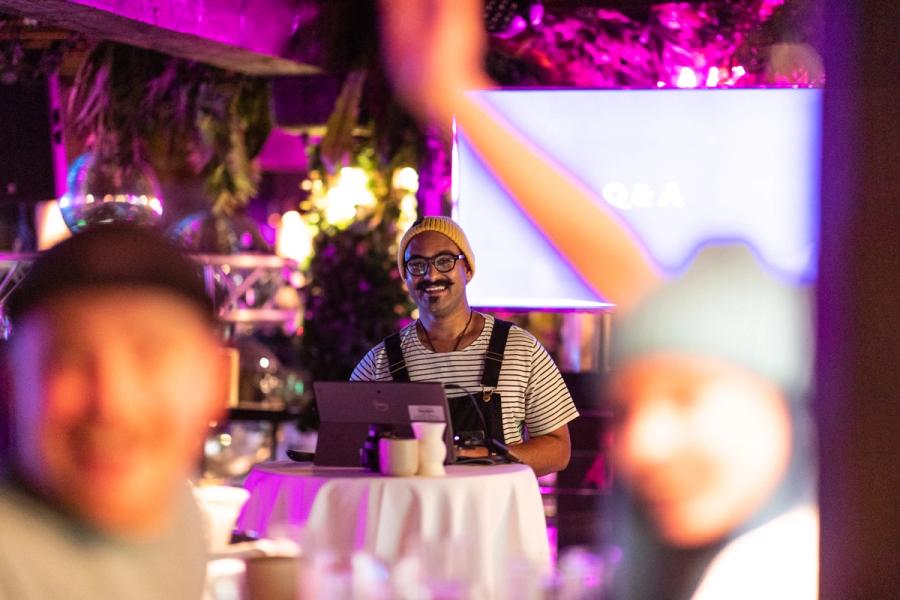
At some point the story stops being just "a brand the press likes" and becomes "a brand the industry asks to run the room." Denver was invited to co-lead the Campari Academy educational sessions at venues around Australia -"Engineering the Experience," alongside Michael Chiem - talking through the science and engineering of the hospitality experience from architecture and interior design to the importance of the human connection and through to actual mechanics of glass design to a room of people who make drinks for a living.
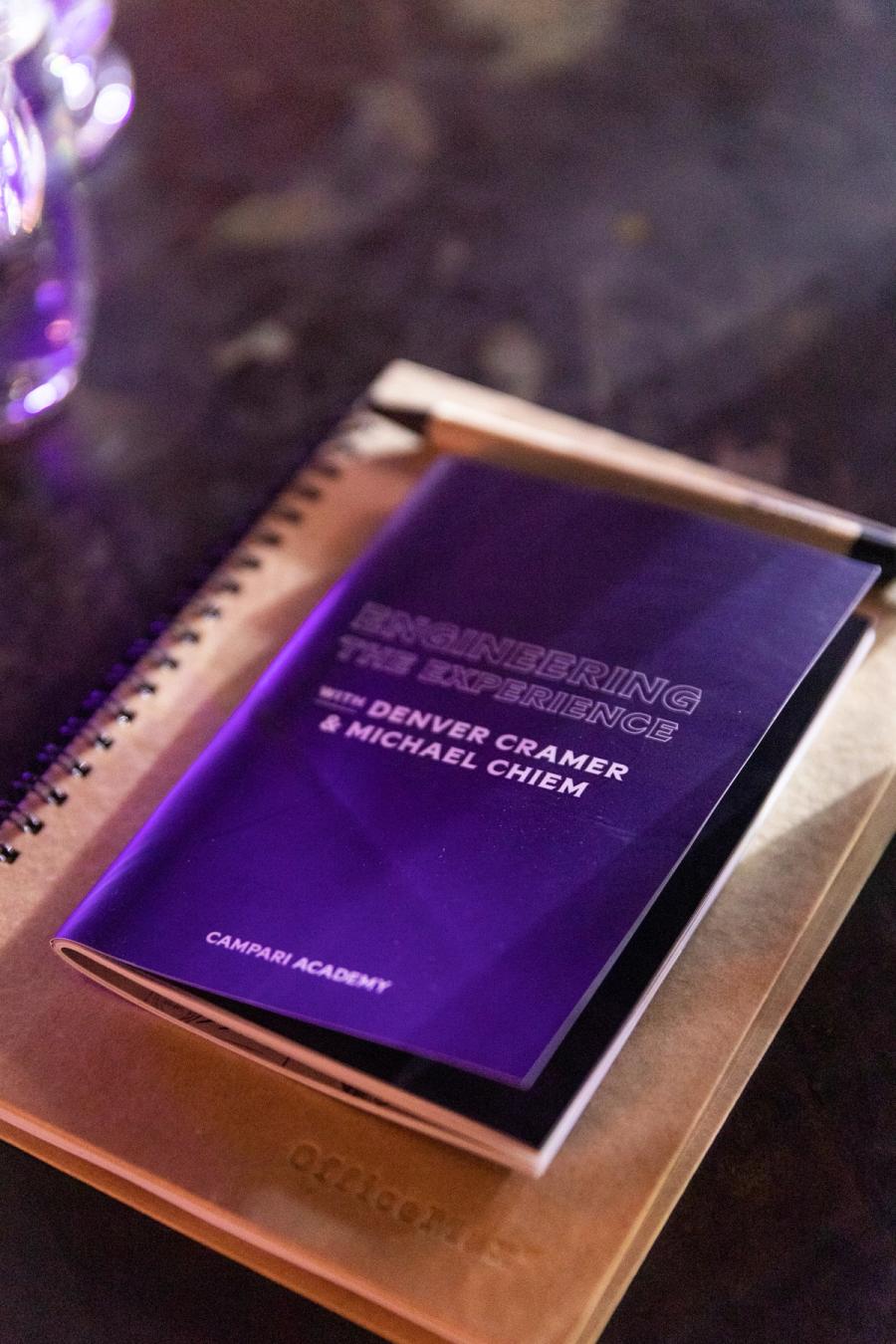
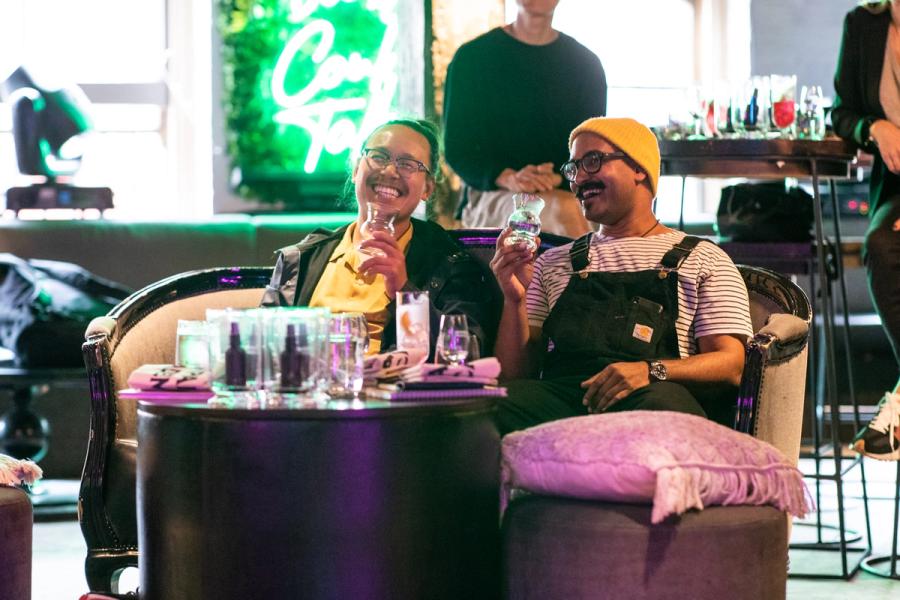
The main take aways for the industry attendees was to bring a level of technicality, humility and humanity to the drinking experience. Bars and restaurants provide more than just food and drinks. It’s a place that people come to connect and Michael’s venues or D&L’s glassware get people closer to feeling good, we succeeded.
It's not really a two-person company
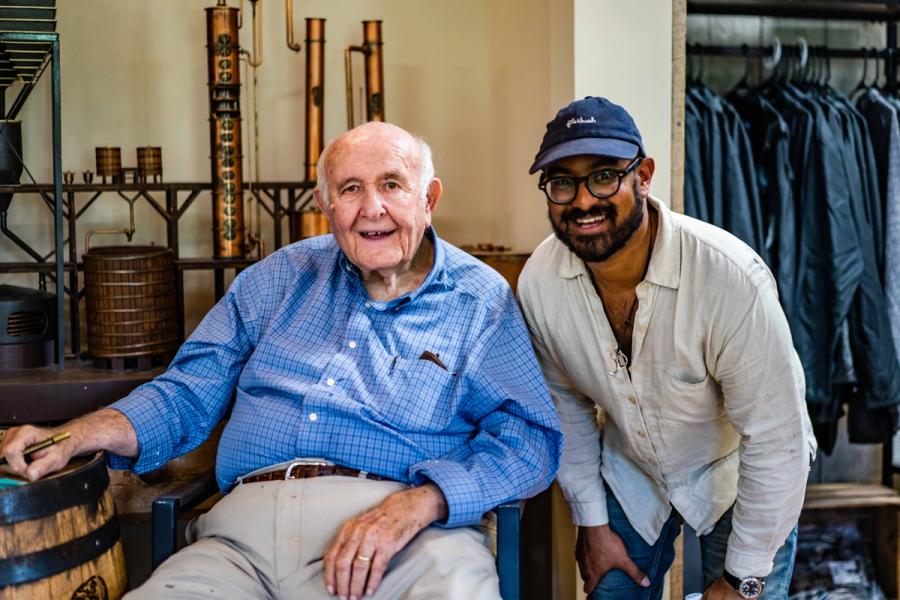
Ask Denver what he actually does and "design" only covers only a fraction of it. The other half happened at bar counters well past closing, in the back rooms of distilleries, standing in vineyard rows with people who've spent decades getting one thing exactly right.
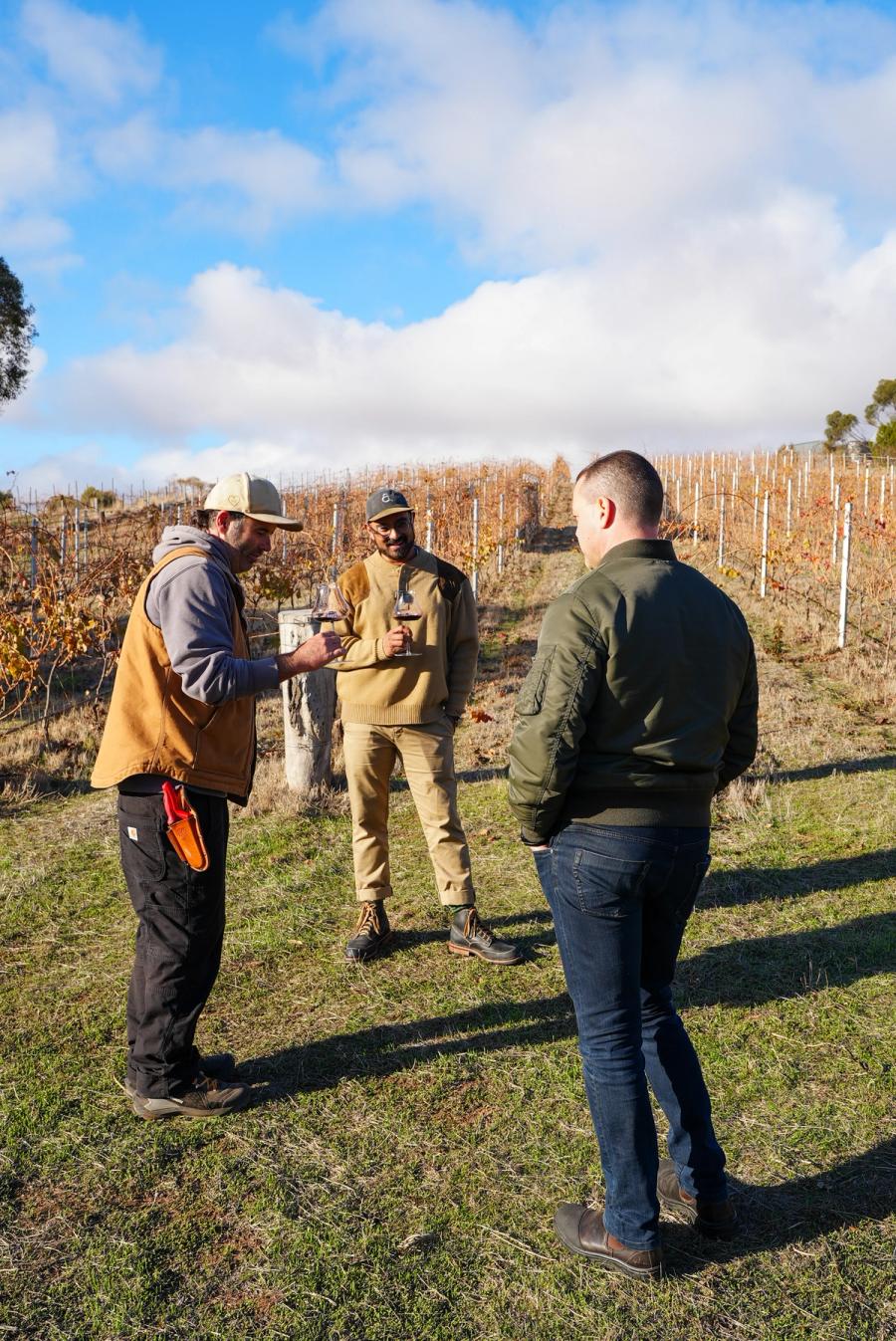
A bartender explaining what they look for in a gin cocktail. A winemaker in Burgundy talking about tannin the way an engineer talks about tolerance. A distiller in Kentucky who's tasted more bourbon than anyone reasonably should, telling you flatly that the glass is wrong before you've even poured. None of that shows up on a spec sheet. All of it shows up in the glass.
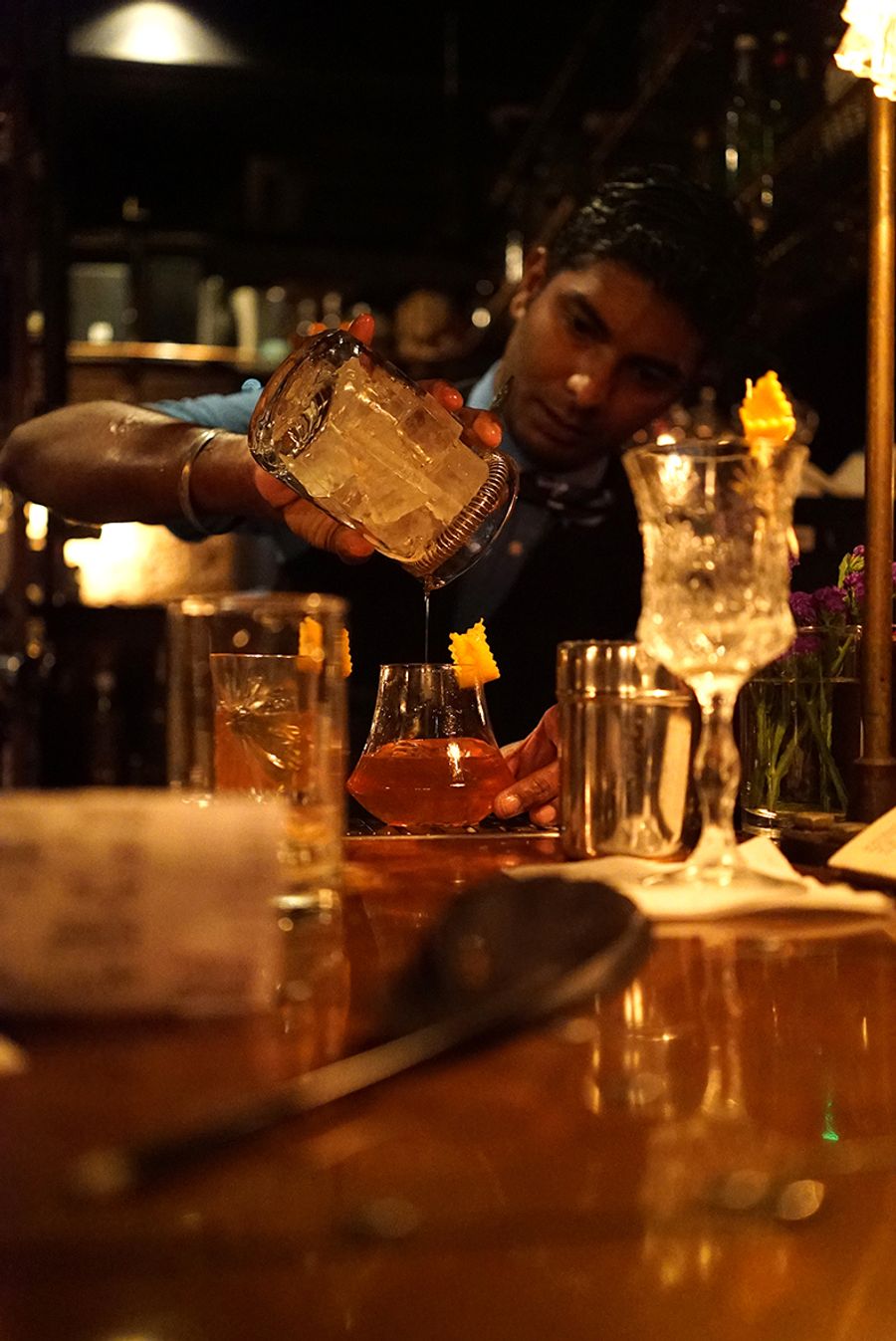
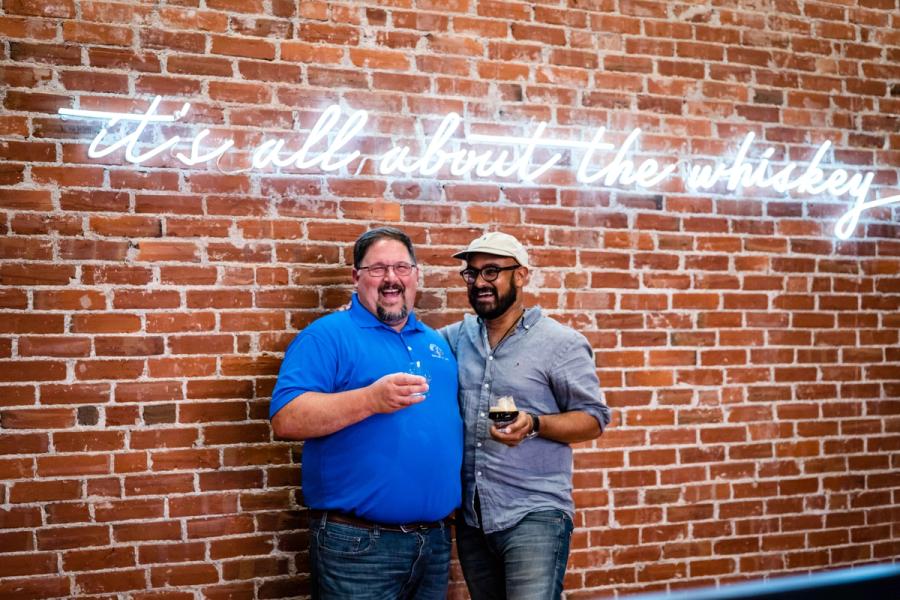
Call it research if it needs a word for an investor deck. It's really just a decade of tracking down people who know more than you do - in bars, restaurants, distilleries, vineyards, wherever the actual knowledge lives - and being willing to listen properly, which is most of what #peopleofwhisky, #peopleofgin, #peopleofbourbon and #peopleofagave were always about. The vineyard workers as much as the winemakers. The barbacks as much as the head bartenders and group owners. The people pouring the drinks every single night and those at home who notice things nobody with a design degree ever will. Every glass in this collection has figurative fingerprints on it that are from the community surrounding the liquid. That's not a footnote to the story. That's the story.
Where that leaves things now
Denver & Liely today is still, structurally, the same thing it was in a backyard in Melbourne over a decade ago: a company built on a love for family and friends and a philosophy that a drink deserves the right vessel, refusing to release anything that doesn't clear our own bar for what "good" means. The collection has grown - Whisky, Gin, Bourbon, Agave, Beer, Wine - but the process hasn't gotten any looser. If anything it's gotten stricter, more encompassing because there's more to live up to now. We simply do the work and that’s all that counts.
We hope you’re part of the D&L family as there’s plenty to go around.